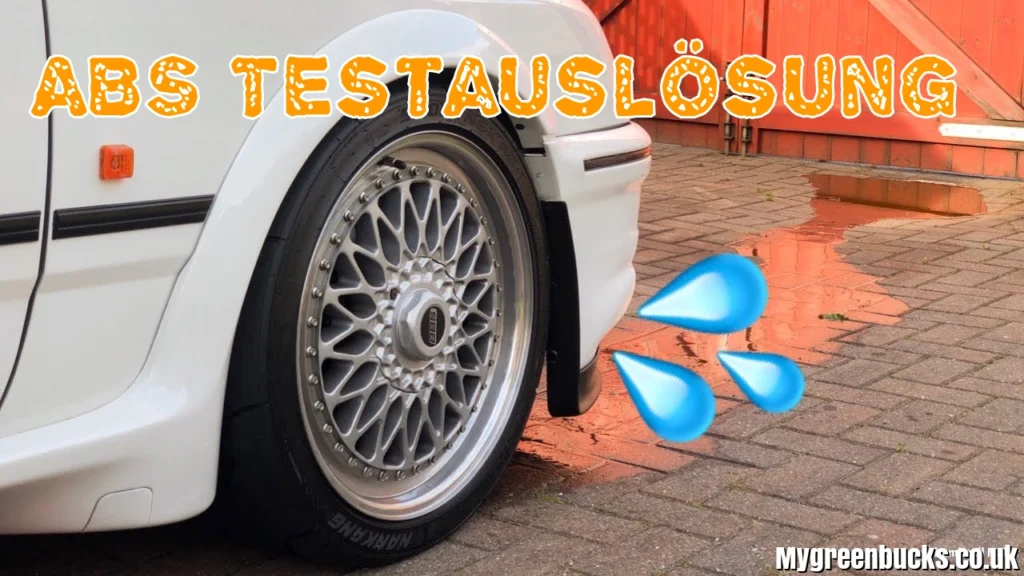
“ABS Testauslösung” comes from German and translates to “ABS test triggering” or “ABS test activation.” While it may sound technical, the concept is straightforward: it refers to the controlled activation of an ABS system to verify proper function.
In 2026, the term appears in two major contexts:
-
Automotive ABS testing (Anti-lock Braking System)
-
Avalanche airbag system testing (ABS Avalanche Airbag System)
In the United States, the automotive application is far more common, since ABS has been mandatory in all passenger vehicles since 2012. However, the avalanche safety version is critical in snow-heavy states like Colorado, Utah, California (Sierra Nevada), Wyoming, and Montana.
This guide explains both interpretations in full detail, including how ABS test triggering works, tools required, safety steps, and best practices.
ABS Testauslösung in Automotive Systems (Vehicle ABS Testing)
In automotive engineering, ABS Testauslösung refers to activating and verifying the Anti-lock Braking System (ABS) to ensure it functions correctly during emergency braking.
ABS prevents wheels from locking during sudden braking, allowing drivers to maintain steering control and shorter stopping distances, especially on:
-
Wet roads
-
Snow or ice
-
Gravel
-
Slippery pavement
Modern ABS systems integrate with:
-
Electronic Stability Control (ESC)
-
Traction Control System (TCS)
-
Regenerative braking systems (in EVs & hybrids)
Why ABS Testauslösung Is Important in the US
Testing your ABS system is not optional—it’s a safety necessity.
Key reasons:
-
Confirms proper pedal pulsation during activation
-
Identifies sensor or hydraulic failures
-
Prevents brake lock-up accidents
-
Required for inspections in many US states
-
Ensures compatibility with electric vehicle braking systems
An ABS failure can increase stopping distance and reduce steering control during emergencies.
Common Symptoms of ABS Problems
If your vehicle shows any of these signs, ABS testing is recommended:
-
ABS warning light illuminated
-
Spongy or unresponsive brake pedal
-
Uneven braking
-
Extended stopping distance
-
ABS activating during normal driving
How to Perform ABS Testauslösung (Automotive Step-by-Step)
ABS testing can be done by professionals or DIY users with proper tools. Always use safe, controlled environments.
Step 1: Preparation
-
Park on a flat surface
-
Turn off engine
-
Disconnect battery (if performing electrical checks)
Step 2: Visual Inspection
Inspect:
-
ABS module
-
Wiring harnesses
-
Wheel speed sensors
-
Connectors
Look for:
-
Corrosion
-
Dirt buildup
-
Loose wiring
-
Physical damage
Step 3: OBD-II Diagnostic Scan
Connect an OBD-II scanner under the dashboard.
Common ABS error codes include:
-
C0020 – Pump motor circuit issue
-
C0035–C0051 – Wheel speed sensor faults
Bluetooth scanners (like ANCEL models) cost $20–$100 and provide live ABS data.
Step 4: Multimeter Testing
Use a digital multimeter to test sensor resistance.
Typical wheel sensor resistance:
-
800–2000 ohms (passive sensors)
Compare readings to your vehicle’s service manual.
Step 5: Functional Road Test
In a safe area (empty parking lot):
-
Drive at low speed
-
Brake firmly on wet or gravel surface
-
Feel for pedal vibration
-
Listen for rapid clicking noise
If ABS activates correctly, you’ll feel pulsing through the brake pedal.
Automotive ABS Components Overview
| Component | Function | Common Fix |
|---|---|---|
| Wheel Speed Sensors | Measure rotation speed | Clean or replace ($50–$100) |
| Hydraulic Modulator | Controls brake pressure | Bleed system or replace ($300–$600) |
| ABS ECU | Processes system data | Software update or replace module |
Maintenance Recommendations
-
Replace brake fluid every 2 years
-
Test ABS annually
-
Combine testing with state safety inspections
-
Consult NHTSA guidelines for recalls or updates
ABS Testauslösung in Avalanche Safety Systems
The second meaning of ABS Testauslösung relates to ABS Avalanche Airbag Systems—a German-designed inflatable backpack used in backcountry skiing and snowboarding.
In avalanche terrain, seconds determine survival. Triggering the airbag increases buoyancy, helping users stay on top of moving snow.
Why Avalanche ABS Testing Is Critical
Avalanches cause dozens of fatalities annually in the US, particularly in:
-
Colorado
-
Utah
-
Wyoming
-
Montana
-
California (Sierra Nevada)
Testing ensures:
-
Proper inflation
-
Handle reflex training
-
Cartridge functionality
-
Life-saving reliability
How to Perform Avalanche ABS Testauslösung
Standard ABS System (With Cartridge)
-
Install filled gas cartridge properly
-
Pull release handle firmly
-
Inspect full airbag inflation
-
Check for tears or defects
-
Send cartridge for refill ($40–$50)
EASYTECH Electronic ABS System
With Cartridge (Full Test)
-
Activate system
-
Pull handle
-
Confirm inflation
-
Inspect indicator light
Without Cartridge (Training Mode)
-
Activate system (green light visible)
-
Pull handle
-
Listen for “click” sound
-
Indicator turns red
-
Reset by pressing lever left until click
Training mode helps build muscle memory without deploying airbag.
Maintenance & Cost Breakdown
| System Type | Test Method | Key Check |
|---|---|---|
| Standard | Full deployment | Inflation speed & volume |
| EASYTECH | With/without cartridge | Indicator & click response |
Costs:
-
Cartridge refill: $40–$50
-
Full service (every 3 years): $100+
-
Professional inspection recommended annually
Avalanche ABS Safety Tips
-
Practice handle pulling until reflexive
-
Weigh cartridge annually (max 5g deviation)
-
Keep pins clean
-
Store undocked in off-season
-
Use certified US service centers
Reference Avalanche.org for training and safety courses.
Automotive vs Avalanche ABS Testauslösung: Key Differences
| Feature | Automotive ABS | Avalanche ABS |
|---|---|---|
| Purpose | Prevent wheel lock | Prevent burial in avalanche |
| Activation | Brake pedal trigger | Pull handle |
| Testing Tools | OBD-II scanner | Gas cartridge & indicator |
| US Usage | Nationwide | Snow-heavy states |
| Maintenance | Annual or symptom-based | Before each winter season |
Best Practices for ABS Testauslösung in the US
For Vehicles:
-
Use certified repair shops if unsure
-
Avoid triggering ABS repeatedly on public roads
-
Check for recalls
-
Replace worn sensors promptly
For Avalanche Systems:
-
Train before entering backcountry terrain
-
Use certified refill centers
-
Inspect airbag seams after deployment
-
Never rely on untested equipment
Safety-critical systems should always be tested carefully.
Conclusion: Why ABS Testauslösung Matters in 2026
Whether referring to vehicle brake systems or avalanche airbag backpacks, ABS Testauslösung is about one thing:
Controlled activation for safety verification.
In vehicles, it ensures braking systems prevent accidents.
In backcountry terrain, it ensures airbag deployment can save lives.
In the United States, both applications play vital roles:
-
ABS braking is mandatory in all modern cars.
-
Avalanche airbags are increasingly common among winter sport enthusiasts.
Testing annually, using proper tools, and seeking professional assistance when necessary can make the difference between prevention and disaster.
ABS Testauslösung isn’t just technical terminology—it’s a safety practice.
FAQs About ABS Testauslösung
1. What does ABS Testauslösung mean in English?
It means “ABS test triggering” or “ABS activation testing.”
2. Is ABS testing required in the US?
ABS functionality is required in modern vehicles and often checked during state inspections.
3. Can I test ABS myself?
Yes, with an OBD-II scanner and safe conditions. However, professional diagnostics are recommended for complex issues.
4. How often should avalanche ABS systems be tested?
At least once per season and every three years for full service.
5. What happens if ABS fails?
In vehicles, wheels may lock during braking. In avalanche systems, the airbag may fail to inflate—both situations are dangerous.