“Holisterol”, you’re not alone. Thousands of people type it into Google every month. But here’s the truth: Holisterol isn’t a new medical discovery or supplement. It’s a common misspelling—or creative rebranding—of cholesterol, the waxy, fat-like substance your body actually needs to survive.
Some websites, such as holisterol.co.uk, use the spelling intentionally to capture search traffic while explaining the same scientific concept. Regardless of spelling, the meaning stays the same: cholesterol is essential for life—but balance is everything.
Let’s break it down in simple, human language—no complicated jargon, just clarity.
What Is Holisterol (Cholesterol) and Why Does Your Body Need It?
First, let’s clear up confusion.
Holisterol = Cholesterol.
It is a lipid-based substance naturally present in your bloodstream and cell membranes. Your body produces it primarily in the liver, and every single cell relies on it.
You might have heard cholesterol described as “dangerous,” but that’s only half the story. In reality, cholesterol plays several critical biological roles:
-
Builds and stabilizes cell membranes
-
Supports hormone production (estrogen, testosterone, cortisol)
-
Helps synthesize Vitamin D
-
Aids digestion through bile acid production
-
Supports brain and nerve function
Think of cholesterol like bricks in a building. Too few bricks? The structure collapses. Too many bricks in the wrong place? It clogs the hallway.
Your liver produces all the cholesterol you need. However, it’s also found in animal-based foods such as:
-
Eggs
-
Meat
-
Dairy products
-
Shellfish
In 2026, medical science continues to emphasize one key message: cholesterol is not the enemy—imbalance is.
Types of Holisterol: Good vs. Bad Explained Clearly
Cholesterol doesn’t travel alone. It moves through your bloodstream inside particles called lipoproteins. These are like delivery trucks transporting cholesterol throughout your body.
Some sites creatively rename them:
High-Density Holisterol (HDH) – The “Good” Cholesterol
Scientifically known as HDL (High-Density Lipoprotein), this is the hero of the story.
HDH helps:
-
Remove excess cholesterol from the bloodstream
-
Transport it back to the liver for disposal
-
Reduce plaque buildup in arteries
-
Lower cardiovascular risk
Think of HDL as the cleanup crew. It scrubs your arteries and keeps traffic flowing.
Higher HDL levels are associated with better heart health.
Low-Density Holisterol (LDH) – The “Bad” Cholesterol
LDH refers to LDL (Low-Density Lipoprotein).
This type can:
-
Deposit cholesterol into artery walls
-
Contribute to plaque formation
-
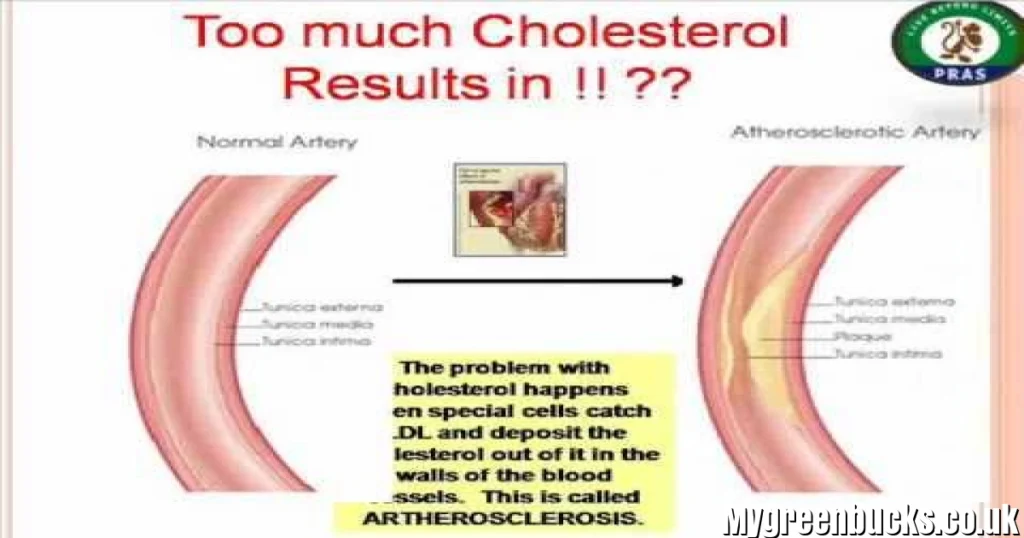
Narrow arteries (atherosclerosis)
-
Increase risk of heart attack and stroke
LDL isn’t evil—it becomes harmful when levels are too high. Imagine delivery trucks dropping off too many packages in a narrow hallway. Eventually, everything gets blocked.
Very-Low-Density Holisterol (VLDH)
VLDH primarily carries triglycerides, another type of fat in your blood.
High VLDH levels are linked to:
-
Elevated triglycerides
-
Increased heart disease risk
-
Metabolic disorders
In short, balance between HDL, LDL, and triglycerides determines cardiovascular health—not one number alone.
Healthy Holisterol Levels in 2026: What’s Considered Normal?
Knowing your numbers is powerful.
Here’s a simplified breakdown of healthy cholesterol levels:
| Measurement | Ideal Level |
|---|---|
| Total Cholesterol | Under 200 mg/dL |
| LDL (Bad) | Under 100 mg/dL |
| HDL (Good) | 60 mg/dL or higher |
| Triglycerides | Under 150 mg/dL |
Doctors focus more on ratios and overall risk factors in 2026 rather than just total cholesterol alone.
High cholesterol usually has no symptoms. That’s what makes it dangerous. Many people discover elevated levels only after a blood test—or worse, after a cardiac event.
When LDL builds up, it forms plaque in arteries. This condition, called atherosclerosis, can lead to:
-
Heart attack
-
Stroke
-
Peripheral artery disease
-
Chest pain (angina)
That’s why regular testing matters. A simple blood test every 4–6 years (or more often if at risk) can literally save your life.
What Causes High Holisterol? Key Risk Factors
Cholesterol levels are influenced by both lifestyle choices and genetics.
Diet
Diets high in:
-
Saturated fats
-
Trans fats
-
Processed foods
-
Added sugars
can raise LDL and triglycerides.
Lack of Exercise
Physical inactivity lowers HDL (good cholesterol) and increases cardiovascular risk.
Excess Weight
Carrying extra body fat often raises LDL and triglycerides while lowering HDL.
Smoking
Smoking damages blood vessels and reduces HDL, accelerating plaque buildup.
Genetics
Some individuals inherit conditions like familial hypercholesterolemia, causing high cholesterol regardless of lifestyle.
In 2026, doctors emphasize a personalized risk assessment. Your age, blood pressure, blood sugar levels, and family history all matter.
Natural Ways to Improve Holisterol Levels (Backed by Science)
The good news? You can significantly influence your cholesterol naturally.
No supplements required. No magic pills.
Just smart, consistent habits.
1. Eat More Heart-Friendly Foods
Focus on:
-
Fruits and vegetables
-
Whole grains
-
Nuts and seeds
-
Lean proteins
-
Fatty fish (salmon, mackerel)
-
Olive oil and avocados
These foods provide fiber and healthy fats, which help reduce LDL levels.
Soluble fiber (found in oats and beans) binds cholesterol in the digestive system and removes it from the body.
2. Reduce Harmful Fats
Limit:
-
Processed meats
-
Fried foods
-
Fast food
-
Baked goods with trans fats
-
Sugary snacks
Small daily changes create long-term impact.
3. Exercise Regularly
Aim for at least 30 minutes of moderate activity most days.
Exercise:
-
Raises HDL
-
Lowers LDL
-
Improves circulation
-
Reduces stress
Even brisk walking counts.
4. Maintain a Healthy Weight
Losing just 5–10% of body weight can significantly improve cholesterol numbers.
5. Quit Smoking
Within weeks of quitting, HDL levels begin to rise. Blood vessels also repair themselves over time.
6. Manage Stress
Chronic stress affects hormones and indirectly impacts cholesterol levels.
Try:
-
Meditation
-
Deep breathing
-
Nature walks
-
Quality sleep
Lifestyle habits remain the most powerful long-term solution.
Medical Treatment Options: When Lifestyle Isn’t Enough
Sometimes, despite best efforts, cholesterol remains high. That’s when doctors may recommend medication.
Statins
Statins are the most commonly prescribed cholesterol-lowering drugs.
They:
-
Reduce LDL production in the liver
-
Lower cardiovascular risk
-
Stabilize plaque
Millions of people worldwide safely use statins under medical supervision.
Other Medications
-
Ezetimibe – Reduces cholesterol absorption
-
PCSK9 inhibitors – Used for high-risk patients
-
Bile acid sequestrants
Treatment decisions depend on:
-
Overall cardiovascular risk
-
Age
-
Family history
-
Existing conditions
Always consult a healthcare professional before starting or stopping medication.
Why “Holisterol” Searches Are Increasing in 2026
Online searches for “holisterol” continue rising because:
-
People misspell cholesterol
-
Wellness sites creatively brand the term
The internet is full of information—but not all of it is accurate.
For reliable guidance, trust:
-
MedlinePlus
-
Your licensed healthcare provider
Never rely solely on online articles for diagnosis or treatment decisions.
Conclusion: Holisterol Isn’t the Enemy—Imbalance Is
Let’s simplify everything.
Holisterol is cholesterol.
Cholesterol is essential.
Balance determines health.
Your body needs cholesterol to function. Without it, hormones wouldn’t form, cells wouldn’t survive, and digestion would fail.
But when LDL becomes excessive and HDL is too low, the risk of heart disease increases silently.
The solution isn’t elimination—it’s optimization.
Eat smarter. Move more. Test regularly. Manage stress. Seek medical advice when needed.
That’s how you win the long game of heart health in 2026 and beyond.
Frequently Asked Questions (FAQs)
1. Is Holisterol different from cholesterol?
No. Holisterol is simply a misspelling or alternative branding of cholesterol. The scientific concept is identical.
2. What is the ideal total cholesterol level?
Ideally, total cholesterol should be under 200 mg/dL, but doctors also consider LDL, HDL, and triglyceride levels.
3. Can I lower cholesterol without medication?
Yes. Many people improve levels through diet, exercise, weight management, and quitting smoking. However, some individuals still require medication.
4. Does eating eggs raise cholesterol?
For most people, moderate egg consumption does not significantly raise LDL levels. Overall diet pattern matters more than one food.
5. How often should I check my cholesterol?
Healthy adults should test every 4–6 years, or more often if at risk or advised by a doctor.