

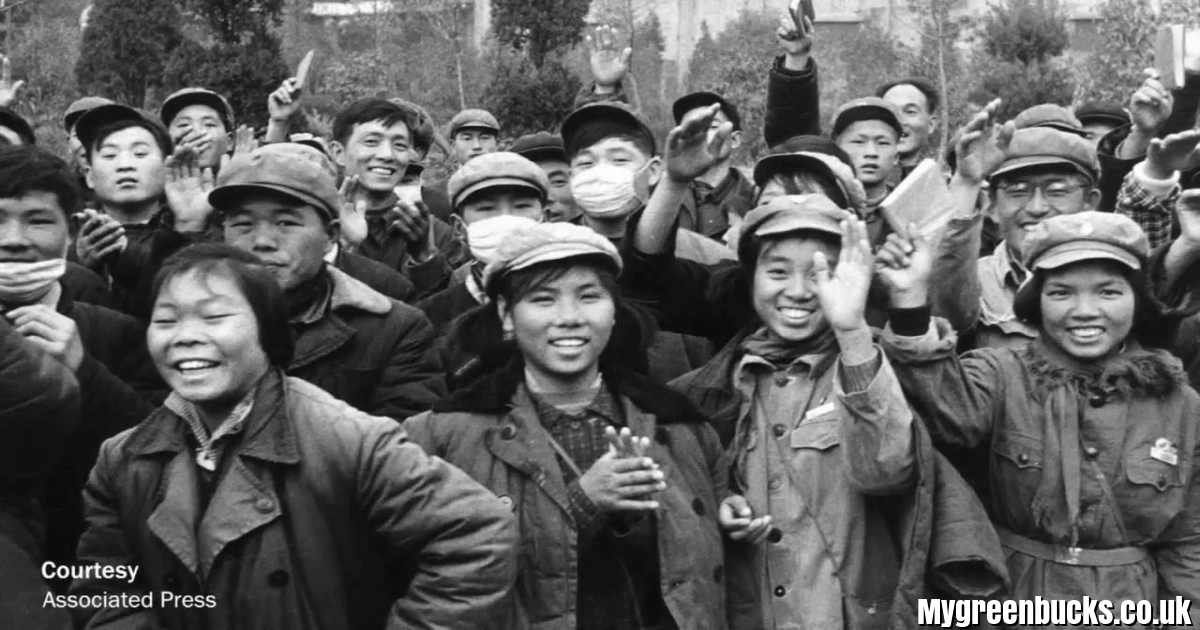
The term hunwejbinizm is a Polish word derived from “Hunwejbini” (Red Guards), a radical youth movement that played a major role during China’s Cultural Revolution (1966–1976) under Mao Zedong. In modern discussions, especially in political and cultural commentary, hunwejbinizm is often used to describe extreme ideological activism, public shaming, or attempts to eliminate opposing viewpoints.
Today, the word appears in debates about cancel culture, political extremism, and ideological radicalization. Understanding hunwejbinizm requires exploring its historical roots in China and its modern metaphorical use in political discourse.
1. What Does Hunwejbinizm Mean?
Hunwejbinizm refers to the ideology or behavior associated with the Red Guards, the militant youth movement that supported Mao Zedong during the Cultural Revolution.
Origin of the Word
The term comes from:
-
Hunwejbini (Red Guards) – radical student groups
-
The suffix “-izm” – meaning ideology or doctrine
In Polish dictionaries such as SJP (Słownik Języka Polskiego), hunwejbinizm describes fanatical revolutionary behavior or aggressive ideological activism.
General Definition
In modern usage, hunwejbinizm often refers to:
-
extreme ideological zeal
-
aggressive enforcement of political views
-
public denunciation of opponents
It is often used metaphorically rather than literally.
2. Historical Background: The Red Guards
To understand hunwejbinizm, we must examine the Red Guards movement in China.
The Cultural Revolution
The Cultural Revolution (1966–1976) was launched by Mao Zedong to reinforce communist ideology and remove perceived enemies within Chinese society.
Students and young activists formed Red Guard groups, known in Polish as Hunwejbini.
Role of the Red Guards
The Red Guards carried out actions such as:
-
attacking intellectuals
-
destroying cultural artifacts
-
publicly humiliating perceived opponents
-
enforcing Maoist ideology
Their actions often targeted teachers, writers, and government officials.
Impact on Chinese Society
The movement caused:
-
social chaos
-
political persecution
-
destruction of historical heritage
Millions of people were affected during this turbulent period.
3. Characteristics of Hunwejbinizm
Hunwejbinizm is associated with certain behavioral and ideological traits.
Ideological Fanaticism
One key feature is unquestioning loyalty to an ideology or leader. Followers often believe their views represent absolute truth.
Public Condemnation of Opponents
During the Cultural Revolution, Red Guards organized public denunciations, where individuals accused of ideological deviation were humiliated or punished.
Destruction of Cultural Symbols
Another hallmark was the destruction of historical monuments, books, and artworks, which were seen as remnants of the “old order.”
These actions symbolized an attempt to reshape society through radical change.
4. Hunwejbinizm in Modern Political Language
In contemporary discussions, hunwejbinizm is often used metaphorically.
Comparison with Cancel Culture
Some commentators compare hunwejbinizm to cancel culture, where individuals or organizations are publicly criticized or boycotted for controversial opinions.
In this context, the term suggests:
-
intolerance toward dissent
-
online public shaming
-
ideological policing
Use in Media and Commentary
Polish political articles frequently reference hunwejbinizm when discussing:
-
political polarization
-
social media activism
-
radical ideological movements
However, the comparison is often debated and controversial.
5. Criticism and Debate Around the Term
The modern use of hunwejbinizm has generated significant debate among scholars and commentators.
Arguments Supporting the Comparison
Some writers argue that modern political activism sometimes resembles historical hunwejbinizm because of:
-
aggressive ideological enforcement
-
public condemnation of opponents
-
social pressure to conform
Criticism of the Comparison
Others believe the comparison is historically exaggerated, noting that:
-
The Cultural Revolution involved state-sponsored violence
-
Modern activism usually occurs within democratic systems
Therefore, the term is often considered rhetorical rather than strictly historical.
6. Cultural and Linguistic Importance of Hunwejbinizm
Although the word originated in reference to Chinese history, hunwejbinizm has become part of political vocabulary in Poland and other European discussions.
Usage in Political Analysis
The term is often used in:
-
academic discussions
It highlights concerns about extreme ideological behavior in modern society.
Educational Significance
Studying hunwejbinizm helps people understand:
-
historical political movements
-
the dangers of radicalization
-
how historical events influence modern language
Understanding such terms encourages critical thinking about political narratives.
Conclusion
Hunwejbinizm is a term rooted in the history of China’s Cultural Revolution, describing the radical activism of the Red Guards who supported Mao Zedong’s ideological campaign. Over time, the word has evolved and is now used metaphorically to describe extreme ideological behavior or aggressive attempts to silence opposing viewpoints.
While its modern usage often appears in debates about cancel culture and political activism, it remains important to remember the historical context and profound social consequences of the original movement.
By examining hunwejbinizm, we gain insight into how history shapes language and political discourse, reminding us of the importance of open dialogue, tolerance, and balanced debate in modern society.