

As temperatures drop during late fall and winter, outdoor irrigation systems become vulnerable to freezing damage. Water left inside sprinkler pipes can freeze, expand, and crack pipes, valves, or sprinkler heads. That’s why learning How to Winterise a Sprinkler System? is essential for homeowners in colder climates.
Winterizing your system properly protects your investment, prevents costly repairs, and ensures your irrigation system works perfectly when spring returns. The process usually involves shutting off the water supply, draining remaining water, blowing out irrigation lines with air, and protecting exposed components.
This step-by-step guide explains the most effective winterization methods used by professionals in 2026.
Why Winterising Your Sprinkler System Is Important
How to Winterise a Sprinkler System? Sprinkler systems contain underground pipes, valves, and sprinkler heads that carry water throughout your lawn.
The Danger of Freezing Water
When water freezes, it expands. Inside irrigation pipes, this expansion can cause:
-
Cracked PVC pipes
-
Broken sprinkler heads
-
Damaged valves
-
Leaks in the system
Even small amounts of water trapped inside pipes can cause damage during freezing temperatures.
Cost of Ignoring Winterization
Repairing a damaged irrigation system can cost hundreds or even thousands of dollars, depending on the extent of the damage. Proper winterization helps avoid these expensive repairs.
Step 1: Turn Off the Sprinkler Water Supply
The first step in winterizing your irrigation system is shutting off the main water supply.
Locate the Shut-Off Valve
The shut-off valve is usually located in one of the following places:
-
Basement
-
Crawl space
-
Utility room
-
Underground valve box
Turn the valve completely clockwise to stop water flow into the irrigation system.
Drain the Supply Line
After shutting off the water supply, open the system’s drain valve if available. This helps remove any remaining water in the supply line.
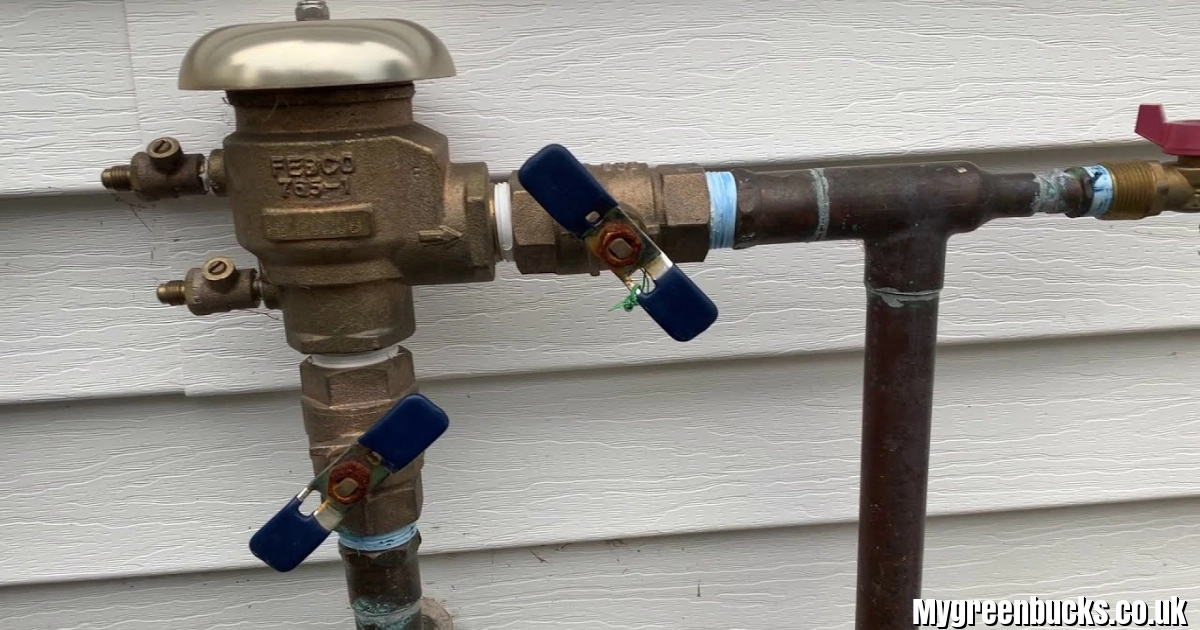
Step 2: Drain the Backflow Preventer
The backflow preventer protects your home’s drinking water from contamination. It also needs to be drained before winter.
Turn the Ball Valves
Rotate the ball valves on the backflow preventer a quarter turn. This position allows trapped water to drain out of the device.
Open the Test Cocks
Use a screwdriver to open the test cocks (small valves) on the backflow device.
Leave them partially open during winter to prevent pressure buildup or trapped water that could cause cracks.
Step 3: Blow Out the Sprinkler Lines (Recommended Method)
The air blow-out method is considered the most effective way to remove water from irrigation pipes.
Connect an Air Compressor
Attach an air compressor to the system’s blow-out port, which is typically located after the backflow preventer.
Set the compressor to a safe pressure level:
-
50 PSI for polyethylene pipes
-
80 PSI maximum for PVC pipes
Higher pressure can damage sprinkler components.
Cycle Through Each Irrigation Zone
Turn on the irrigation controller and run each zone individually for about 1–2 minutes.
Watch the sprinkler heads. When only air or a light mist comes out, the line is clear.
Repeat the process for every zone in your system.
Step 4: Alternative Method – Manual Draining
If you don’t have an air compressor, some systems include manual drain valves.
Open Manual Drain Valves
These valves are located at low points in the irrigation lines.
Open them to allow gravity to remove water from the pipes.
Limitations of Manual Draining
While this method helps, it may not remove all trapped water, especially in complex irrigation systems. That’s why professionals typically recommend the blow-out method.
Step 5: Shut Down the Irrigation Controller
After draining the system, you should turn off the sprinkler controller.
Power Down the System
Depending on the controller model, you can:
-
Activate “Rain Mode”
This prevents the system from accidentally trying to run during winter.
Save Your Settings
Many modern controllers store watering schedules automatically, so they will be ready for spring startup.
Step 6: Insulate Above-Ground Components
The final step is protecting any exposed irrigation equipment.
Insulate the Backflow Preventer
Use materials such as:
-
Foam pipe insulation
-
Insulation tape
-
Protective backflow covers
These materials protect components from freezing temperatures.
Protect Exposed Pipes
Wrap any above-ground pipes with insulation sleeves or foam covers to prevent cracking during extreme cold.
Conclusion
Knowing how to winterise a sprinkler system is essential for homeowners who live in regions with freezing temperatures. By shutting off the water supply, draining the backflow preventer, blowing out irrigation lines, turning off the controller, and insulating exposed components, you can protect your sprinkler system from winter damage.
Taking the time to winterize your system each fall ensures long-term performance, fewer repairs, and a healthy lawn when spring arrives. With proper care, your irrigation system will remain reliable year after year.