

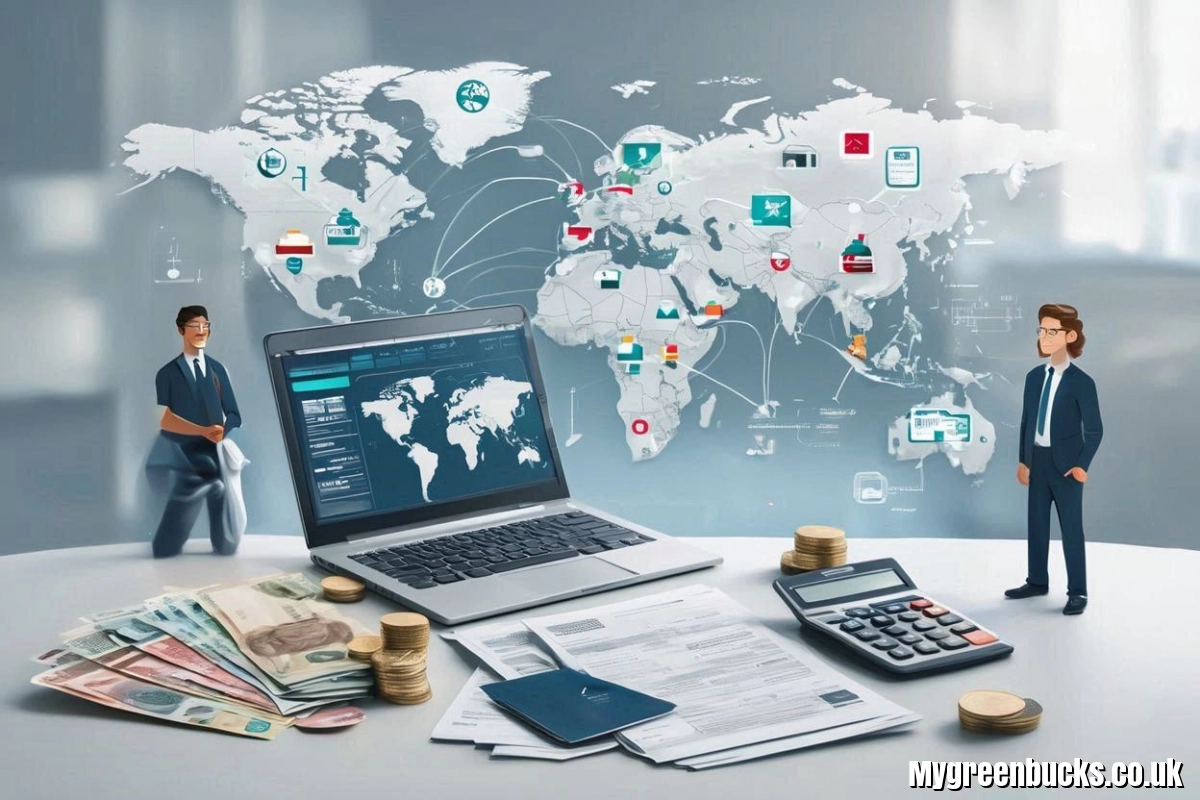
As businesses expand beyond borders, managing employees across multiple countries has become a strategic priority. Companies are no longer limited by geography when it comes to hiring talent. However, while global hiring opens doors to diverse skills and cost efficiencies, it also introduces complexities, especially in payroll management.
Global payroll refers to the process of managing employee compensation, taxes, statutory benefits, and compliance requirements across different countries through a centralized or coordinated system. It ensures that employees, regardless of location, are paid accurately, on time, and in accordance with local labour laws.
For organisations scaling internationally, global payroll is not just an operational function, it is a critical component of compliance, employee satisfaction, and business continuity.
Key Takeaways
- Global payroll enables businesses to manage employee compensation across multiple countries while ensuring compliance with local regulations.
- A centralized payroll system reduces administrative complexity and improves accuracy in salary processing, taxes, and statutory benefits.
- Multiplier provides a unified platform that simplifies global payroll, compliance, and workforce management across 150+ countries.
- Businesses benefit from automation, real-time reporting, and reduced risk of errors through advanced payroll technology.
- Partnering with the right payroll provider ensures adherence to local tax laws, labour regulations, and reporting requirements.
Why Global Payroll Matters for Modern Businesses
Managing payroll within a single country is already complex. Expanding operations internationally multiplies that complexity due to varying tax systems, employment laws, currencies, and reporting standards.
Each country has its own regulations regarding income tax, social security contributions, minimum wages, and employee benefits. Failure to comply with these requirements can result in penalties, legal risks, and reputational damage.
Global payroll solutions address these challenges by standardizing processes while maintaining local compliance. They enable businesses to:
- Ensure accurate and timely salary payments
- Manage multi-currency transactions efficiently
- Stay compliant with country-specific regulations
- Maintain transparency in payroll operations
For companies with distributed teams, global payroll becomes essential for smooth and scalable operations.
Key Components of Global Payroll
Global payroll involves multiple interconnected processes that must work seamlessly together. Understanding these components helps businesses manage payroll effectively.
1. Payroll Processing
This includes calculating salaries, bonuses, deductions, and reimbursements. It also involves handling multiple currencies and ensuring timely disbursement of payments.
2. Tax Compliance
Each country has unique tax regulations. Global payroll systems ensure accurate tax calculations, filings, and reporting in accordance with local laws.
3. Statutory Benefits Management
Employers must provide mandatory benefits such as social security, insurance, and retirement contributions. These vary significantly across regions.
4. Data Management and Reporting
Centralized payroll platforms provide real-time insights into payroll expenses, tax liabilities, and compliance status across different countries.
5. Currency and Payment Handling
Global payroll requires managing exchange rates, cross-border payments, and banking regulations efficiently.
Challenges in Managing Global Payroll
While global payroll offers significant advantages, it also comes with challenges that businesses must address:
- Regulatory Complexity: Labour laws and tax regulations differ widely across countries and are subject to frequent changes.
- Data Fragmentation: Using multiple local payroll providers can lead to inconsistent data and lack of visibility.
- Currency Fluctuations: Exchange rate variations can impact payroll budgets and financial planning.
- Compliance Risks: Errors in tax filings or employee classification can result in penalties and legal issues.
- Administrative Burden: Managing payroll manually across multiple regions increases workload and the risk of errors.
To overcome these challenges, businesses increasingly rely on integrated payroll platforms and global employment solutions. Multiplier helps streamline payroll operations, ensure compliance, and provide centralized visibility across countries, reducing administrative burdens and improving efficiency.
Benefits of a Centralized Global Payroll System
Implementing a centralized global payroll solution provides several advantages:
- Improved Accuracy: Automation reduces manual errors in calculations, tax deductions, and payments.
- Enhanced Compliance: Built-in compliance frameworks ensure adherence to local laws and regulations.
- Cost Efficiency: Consolidating payroll processes reduces operational costs and eliminates redundancies.
- Real-Time Visibility: Businesses gain access to centralized dashboards and analytics for better decision-making.
- Scalability: Global payroll systems support business expansion by enabling seamless onboarding in new countries.
Global Payroll Models
Businesses can choose from different payroll models depending on their needs:
- In-House Payroll: Managing payroll internally gives full control but requires significant resources and expertise.
- Local Payroll Providers: Hiring country-specific providers ensures local compliance but can lead to fragmented processes.
- Global Payroll Platforms: These platforms centralize payroll operations across countries, offering consistency, automation, and compliance in a single system.
Compliance Considerations in Global Payroll
Compliance is one of the most critical aspects of global payroll management. Businesses must ensure:
- Accurate tax calculations and timely filings
- Proper employee classification (employee vs contractor)
- Adherence to minimum wage laws and working hours
- Compliance with statutory benefits and contributions
- Maintenance of payroll records and reporting
Failure to meet these requirements can lead to financial penalties, audits, and operational disruptions.
A robust global payroll solution helps mitigate these risks by integrating compliance into every stage of the payroll process.
Technology in Global Payroll
Technology plays a vital role in simplifying global payroll operations. Modern payroll systems incorporate advanced features such as:
- Automation: Automated workflows reduce manual intervention and improve efficiency.
- Cloud-Based Platforms: Cloud solutions provide centralized access to payroll data from anywhere in the world.
- Real-Time Analytics: Businesses can track payroll expenses, tax obligations, and workforce costs in real time.
- Integration with HR Systems: Payroll platforms integrate with HR tools to streamline employee data management.
- Secure Data Handling: Advanced encryption ensures the security and privacy of sensitive payroll information.
The Future of Global Payroll
As businesses continue to adopt remote and hybrid work models, the demand for efficient global payroll solutions is increasing. Companies are prioritizing:
- Unified platforms for payroll and workforce management
- Greater automation and AI-driven insights
- Enhanced compliance capabilities
- Improved employee payment experiences
Global payroll is evolving from a back-office function into a strategic enabler of international growth.
Simplify Your Global Payroll Operations Today
Managing payroll across multiple countries does not have to be complex or time-consuming. With the right platform, businesses can streamline operations, ensure compliance, and scale globally with confidence.
Multiplier offers a comprehensive global payroll solution that enables companies to hire, manage, and pay international teams across 150+ countries. With integrated compliance, automated payroll processing, and real-time insights, businesses can focus on growth while ensuring accurate and timely payments worldwide.
Get started with global payroll today and simplify your international workforce management.
FAQs
- What is global payroll and how does it work?
Global payroll is the process of managing employee salaries, taxes, and compliance across multiple countries. It works through centralized systems or platforms that ensure accurate payments and adherence to local regulations. - Why is global payroll important for international businesses?
Global payroll ensures employees are paid correctly and on time while maintaining compliance with country-specific laws, reducing legal risks and operational inefficiencies. - What are the biggest challenges in global payroll?
Key challenges include regulatory differences, tax compliance, currency management, data fragmentation, and administrative complexity across multiple regions. - How can companies simplify global payroll management?
Businesses can simplify payroll by using centralized platforms that automate processes, ensure compliance, and provide real-time visibility into payroll operations. Solutions like Multiplier streamline global payroll management, helping companies manage multi-country payroll efficiently while reducing errors and administrative workload. - What should businesses look for in a global payroll provider?
Companies should evaluate compliance expertise, automation capabilities, global coverage, data security, reporting features, and customer support when choosing a provider.