

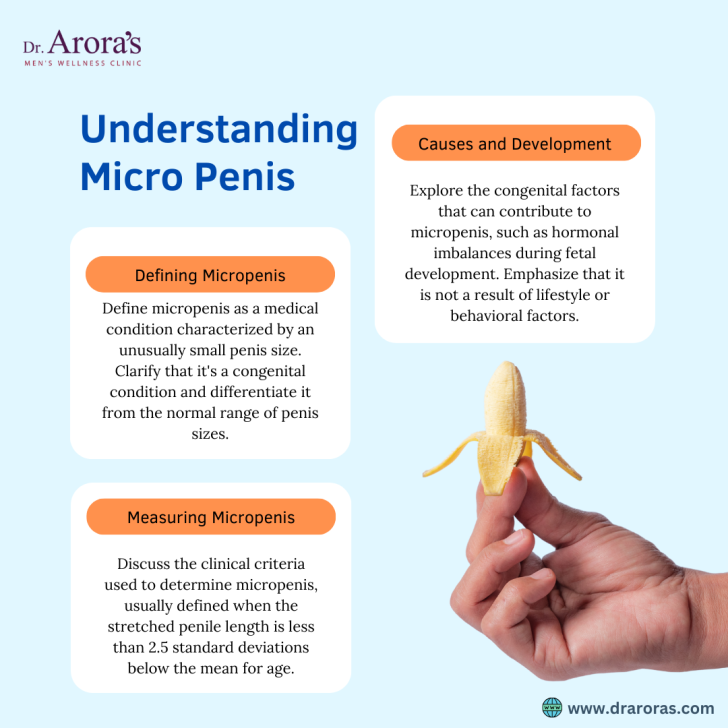
The question “what determines penile length” is one of the most searched male health topics worldwide. Penile size has long been surrounded by misinformation, cultural myths, and unrealistic expectations, yet medical science provides clear explanations for what truly influences penile length. Understanding these factors can help reduce anxiety, promote body confidence, and separate fact from fiction.
Genetics and Hereditary Influence
The primary determinant of penile length is genetics. Just like height, eye color, or foot size, penis size is largely inherited.
Key genetic factors include:
-
Family traits passed through DNA
-
Ethnic and population-based averages
-
Overall body growth patterns
Genes influence how tissues respond to hormones during development, which directly affects penile growth. This means that penile length is largely predetermined before birth, long before lifestyle or environment play a role.
Hormonal Exposure During Fetal Development
One of the most critical factors in determining penile length is androgen exposure (especially testosterone) during fetal development.
Important points:
-
Testosterone drives male genital formation
-
Insufficient hormone exposure can limit growth
-
Hormone sensitivity matters as much as hormone levels
Conditions that interfere with prenatal hormone signaling—such as androgen insensitivity or endocrine disruptions—can affect final penile size. These processes occur in the womb, making them impossible to alter later in life.
Puberty and Testosterone Levels
The second major growth phase for penile length occurs during puberty.
During this period:
-
Testosterone levels rise sharply
-
Penile tissue expands in length and girth
-
Growth typically completes by ages 16–18
Delayed puberty, hormonal disorders, or medical conditions affecting testosterone can impact final size. However, once puberty ends, natural penile growth stops permanently.
Overall Body Growth and Physical Health
Penile length is often correlated with overall body development, though not perfectly.
Influential factors include:
-
Height and skeletal growth
-
Nutrition during childhood and adolescence
-
Chronic illnesses during development
Severe malnutrition or untreated medical conditions during growth years can indirectly affect genital development. However, within healthy individuals, penile size varies widely regardless of body size.
What Does NOT Determine Penile Length
Many popular beliefs about penis size are scientifically false. Factors that do not determine penile length include:
-
Masturbation frequency
-
Sexual activity or abstinence
-
Exercise routines
-
Penis stretching devices (without surgery)
-
Supplements, pills, or creams
There is no medical evidence that lifestyle habits or adult behaviors can permanently increase penile length.
Average Penile Length and Psychological Perspective
Understanding average penile length helps place expectations into a healthy perspective.
Medical averages:
-
Flaccid: ~3.5 inches (8.8 cm)
-
Erect: ~5.1–5.5 inches (13–14 cm)
Most men fall within a normal and functional range, and sexual satisfaction is far more influenced by confidence, communication, and emotional connection than size alone.
Psychological factors—such as anxiety fueled by pornography or social comparison—often distort perception more than reality.
Conclusion
So, what determines penile length? The answer is clear: genetics, prenatal hormone exposure, and puberty-related testosterone levels are the primary factors. Once development is complete, penile length does not change naturally, regardless of lifestyle choices or marketed enhancement products.
Understanding the science behind penile size helps replace insecurity with knowledge, acceptance, and confidence. In the end, penile length is just one small part of overall sexual health and well-being.
Frequently Asked Questions (FAQs)
1. Can penile length increase after puberty?
No, natural growth stops after puberty ends.
2. Does testosterone therapy increase penis size in adults?
Only if there was a medical hormone deficiency before puberty.
3. Are penis enlargement products effective?
No, most are ineffective or unsafe.
4. Does race determine penile size?
There are small average differences, but individual variation is far greater.
5. Is smaller-than-average penis size a medical problem?
Only in rare clinical cases; most variation is normal and healthy.