Online financial scams are becoming more sophisticated as people increasingly handle their finances digitally. Fraudsters often take advantage of new technologies and individuals’ daily online routines. Learning how these scams operate and recognising warning signs can help you safeguard your money and personal details.
Cybercriminals target individuals using online banking, digital borrowing, and web-based payments, especially on platforms where money is deposited or withdrawn, such as www.newgamenetwork.com. As services like instant account access and rapid transactions become more common, users face increased risks from scams designed to exploit these convenient features. Staying alert for online financial scams and fraud is vital, as criminals continually update their methods to catch even cautious users off guard. Understanding these risks is the foundation of protecting your finances.
Why digital payments attract more scam activity now
The move towards online payments and digital banking means more financial activity leaves an online record. This digital trail offers new opportunities for criminals to access sensitive information and launch targeted scams.
Fast money transfers and instant payment services can make it easier for scammers to pressure victims with a sense of urgency. When money is transferred quickly and is often hard to recover, moments of inattention can lead to significant losses. As digital adoption grows, both individuals and organisations face heightened threats from scams.
Recognising common traps that affect your finances
Many online scams attempt to trick individuals by requesting confidential details through phishing emails or fake login pages. Criminals commonly impersonate banks, lenders, or customer support, aiming to convince you to reveal vital account information by posing as trusted institutions.
Scams involving payment redirection or offers for advance-fee loans typically promise quick solutions or attractive terms. These schemes often urge prompt action, hoping victims will ignore unusual requests or inconsistencies that might reveal a scam.
Practical habits to protect your financial information
Creating strong, unique passwords for every account is one of the best defences against account takeover attempts. Using a password manager can help keep track of different logins securely.
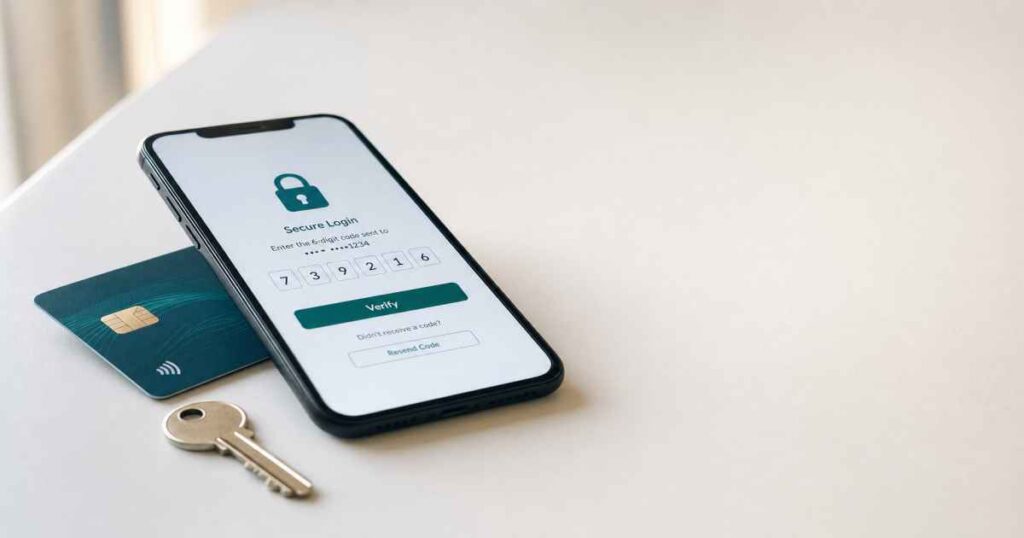
Enabling two-factor authentication and keeping devices updated helps reduce the risk of unauthorised access. Be mindful about sharing personal information online, especially on social platforms, as this can limit the amount of data scammers can use against you.
Verifying offers and responding to suspicious activity
If you receive an unexpected financial request, always verify it using contact details from official sources before acting. Confirm the legitimacy of any lender or service provider using trusted channels before sharing information or sending payments.
If you suspect you have been targeted by a scam, act quickly by securing your accounts and reviewing recent transactions for unusual activity. Report any incidents to your bank and relevant fraud authorities, and keep records to assist with any investigation.