

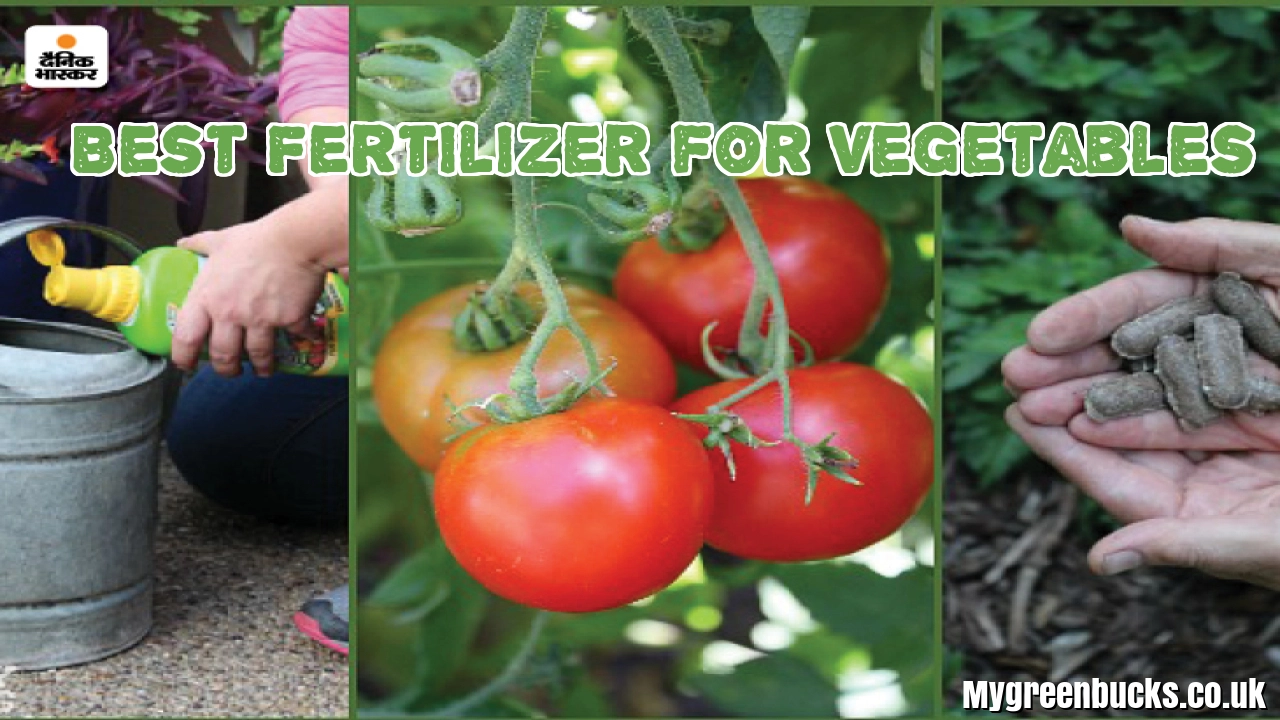
Vietnam’s vegetable industry is standing at a critical crossroads in 2026. On one side, demand for high-yield, affordable vegetables continues to rise domestically. On the other, export markets like the EU, Japan, and the US demand produce that is safe, low in chemical residues, and sustainably grown. Fertilizers sit right in the middle of this balancing act.
Choosing the best fertilizer for vegetables in Vietnam is no longer just about boosting yields. It’s about soil health, food safety, environmental protection, and long-term farm profitability. This guide brings together scientific data, real farming practices, and Vietnam-specific insights to help farmers, agribusinesses, and investors make the right fertilizer decisions in 2026 and beyond.
Overview of Vegetable Farming and Fertilizer Use in Vietnam
Best Fertilizer for Vegetables: Vietnam is one of Southeast Asia’s agricultural powerhouses, and vegetables play a crucial role in that success. water retention with DWC Hydroponic System, From morning glory grown along riverbanks, to leafy greens in peri-urban farms, to export-grade vegetables in the Central Highlands, vegetable farming touches nearly every province.
In 2018, Vietnam’s fruit and vegetable exports reached USD 3.8 billion, and by 2026, that number has continued to climb due to trade agreements like EVFTA and growing global demand for tropical produce. Vegetables account for a smaller share of fertilizer use compared to rice, but they are far more sensitive to fertilizer mismanagement.
Vietnam imports approximately 3.5–4.5 million tons of inorganic fertilizers annually, with NPK compounds accounting for over 30% of total fertilizer consumption. Alarmingly, in many vegetable-growing areas, fertilizer application rates exceed recommended levels by 1.5–2 times, sometimes reaching 500 kg/ha per crop.
This overuse has caused:
-
Nutrient leaching, especially nitrogen
-
Groundwater contamination, particularly in the Mekong Delta
-
High nitrate accumulation in leafy vegetables
-
Reduced soil microbial diversity
Vegetable crops consume only about 6% of Vietnam’s total fertilizer supply, yet they receive some of the heaviest per-hectare applications. This contradiction has pushed policymakers and farmers toward organic fertilizers and integrated nutrient management systems.
The Vietnamese government actively promotes organic fertilizers to:
-
Reduce chemical residues
-
Improve soil organic matter
-
Meet EU and USDA organic standards
-
Protect farmer and consumer health
Understanding Soil Types and Nutrient Needs in Vietnam
Vietnam’s geography stretches over 1,600 km, creating dramatically different soil conditions. Understanding soil is the first step to choosing the best fertilizer for vegetables.
Northern Highlands
Soils here are typically acidic, low in organic matter, and prone to erosion. Vegetables grown in these areas—like cabbage, mustard greens, and herbs—often suffer from phosphorus fixation and micronutrient deficiencies.
Best fertilizer strategy:
-
Organic fertilizers rich in humic and fulvic acids
-
Phosphorus-rich inputs like DAP or bone meal
-
Liming combined with balanced NPK
Red River Delta
This region supports intensive vegetable production, often supplying Hanoi. Continuous cropping has depleted soil nutrients, leading to high dependence on synthetic fertilizers.
Challenges:
-
Excess nitrogen use
-
Nitrate accumulation in leafy greens
-
Declining soil structure
Best approach:
-
Combine organic compost with moderate NPK
-
Reduce nitrogen top-dressing
-
Use bio-organic fertilizers with beneficial microbes
Central Highlands
Basalt soils here are among Vietnam’s most fertile, making them ideal for high-value vegetables. These soils respond well to balanced fertilization, but potassium deficiency can emerge after repeated cropping.
Recommended fertilizers:
-
Organic mineral fertilizers
-
NPK 15-15-15 or 20-20-15+TE
-
Periodic organic matter replenishment
Mekong Delta
The Mekong Delta’s alluvial soils are naturally fertile but face serious nutrient leaching due to flooding and sandy textures in some zones.
Key risks:
-
Nitrogen runoff into waterways
-
Over-application driven by yield pressure
Best fertilizer choice:
-
Slow-release organic fertilizers
-
Split NPK applications
-
Fertigation with water-soluble formulas
Types of Fertilizers Used for Vegetables in Vietnam
Vietnamese farmers rely on two major fertilizer categories: organic and inorganic. Each has strengths and limitations.
Organic Fertilizers
Organic fertilizers are rapidly gaining popularity due to health, soil, and export advantages.
Vietnam produces around 2.5 million tons of organic fertilizer annually, but demand exceeds 6 million tons, creating both import and innovation opportunities.
Main types include:
-
Traditional Organic Fertilizers
-
≥20% organic matter
-
Improve soil humus and water retention
-
-
Bio-Organic Fertilizers
-
Contain beneficial microbes (≥1.0 × 10⁶ CFU/g)
-
Enhance nutrient availability and disease resistance
-
-
Biological Organic Fertilizers
-
Rich in humic and fulvic acids (2–3.5%)
-
Improve root development and stress tolerance
-
-
Organic Mineral Fertilizers
-
Combine organic matter with NPK (8–18%)
-
Ideal for vegetables needing steady nutrition
-
Key Example: Thanh Tam Organic Fertilizer
Produced in Hau Giang and Binh Duong, this fertilizer contains:
-
N (2–3%)
-
P₂O₅ (1–2%)
-
K₂O (1%)
-
Humic acid (2.5%)
-
Trace elements like Zn, Cu, B, Mn, Fe
Benefits include:
-
Improved soil structure
-
Reduced erosion
-
Enhanced disease resistance
-
Higher-quality vegetables
Studies show organic fertilizers can reduce nitrate levels in amaranth from 4,099 mg/kg to nearly zero, while increasing vitamin C content by over 20%.
Inorganic Fertilizers (NPK and Synthetic Inputs)
Inorganic fertilizers remain widely used due to fast nutrient availability.
Common products include:
-
Urea
-
DAP, MAP
-
SOP
-
NPK compounds
Popular formulations:
-
NPK 20-20-20 for general vegetables
-
NPK 20-20-15+TE applied 2–3 times per crop
-
Poly-Feed 19-19-19+MgO+ME for early growth
-
Poly-Feed 14-10-34+ME for fruiting stages
While effective, excessive use can:
-
Lower vitamin C levels
-
Increase nitrate accumulation
-
Degrade soil biology
Best NPK Ratios for Different Vegetable Crops
There is no single best fertilizer for all vegetables. The ideal NPK ratio depends on crop type, growth stage, and soil conditions.
Recommended NPK Ratios Table
| Vegetable Type | Recommended NPK Ratio | Notes |
|---|---|---|
| Leafy Greens | 10-5-5 | High nitrogen for foliage |
| Tomatoes | 5-10-10 | Supports fruit development |
| Peppers | 15-15-15 / 20-10-10 | Improves fruit size |
| Cucumbers | 10-10-10 → 14-10-34 | Higher K during fruiting |
| Root Crops | 5-10-10 | Prevents excessive leaf growth |
| Herbs | 10-10-10 | Organic preferred |
| General Vegetables | 20-20-20 | Split into 2–3 applications |
Key tip: Sandy soils need more frequent but lower doses to prevent nutrient loss.
Benefits, Risks, and Efficacy of Organic vs Inorganic Fertilizers
Benefits of Organic Fertilizers
Organic fertilizers:
-
Improve soil structure and aeration
-
Increase microbial diversity
-
Reduce nitrogen leaching
-
Produce safer, tastier vegetables
Domestic organic fertilizers often outperform imported ones due to higher nutrient availability and better adaptation to local soils.
Benefits of Inorganic Fertilizers
Inorganic fertilizers:
-
Deliver rapid nutrient uptake
-
Boost yields in nutrient-poor soils
-
Are easy to apply and measure
Risks of Overuse
Over-fertilization leads to:
-
Water pollution
-
Long-term yield decline
The future lies in integrated fertilizer strategies, not extremes.
Application Methods, Best Practices, and Future Trends (2026)
Application Methods
-
Basal application before planting
-
Top-dressing during vegetative growth
-
Foliar sprays for micronutrient correction
Split applications reduce waste and improve efficiency.
Best Practices for Vietnamese Farmers
-
Combine organic + inorganic fertilizers
-
Test soil regularly
-
Avoid immature compost
-
Follow VietGAP standards
-
Use fertigation where possible
Government Policies and Future Trends
Vietnam promotes organic fertilizers through:
-
Decree 109/2018/ND-CP
-
Decision 899/QD-TTg
-
National targets of 3 million tons organic fertilizer
-
Expansion of certified organic land
Trends shaping 2026:
-
Precision agriculture
-
Circular farming systems
-
Bio-control integration
-
Export-driven quality standards
Conclusion
The best fertilizer for vegetables in Vietnam is not a single product—it’s a smart strategy. In 2026, successful vegetable farming depends on balancing yield, safety, soil health, and sustainability. Organic fertilizers are becoming the backbone of long-term productivity, while inorganic fertilizers remain useful when applied precisely and responsibly. Farmers who adopt integrated nutrient management will not only grow better vegetables but also secure better market access and higher profits.
FAQs
1. What is the best fertilizer for leafy vegetables in Vietnam?
Organic fertilizers combined with NPK 10-5-5 provide safe growth and low nitrate levels.
2. Are organic fertilizers enough for high yields?
Yes, when combined with proper soil management and small amounts of inorganic inputs.
3. Why is fertilizer overuse common in Vietnam?
Lack of soil testing, yield pressure, and fragmented farm structures.
4. Which fertilizer is best for export vegetables?
Certified organic and bio-organic fertilizers meeting EU and USDA standards.
5. How can farmers reduce fertilizer costs?
By using soil tests, split applications, and organic matter to improve nutrient efficiency.