

“Holestetol”, you’re not alone. In many regions—especially in South Asia including Pakistan and India—the word holestetol is commonly used as a phonetic spelling of cholesterol. Variations like holesterol, holestrol, or holestetol often appear in casual typing, YouTube videos, and lab discussions.
But no matter how it’s spelled, the topic is serious.
Cholesterol (holestetol) plays a critical role in your body, yet high levels can significantly increase the risk of heart attack, stroke, and artery blockage. In 2026, with cardiovascular disease remaining one of the leading global causes of death, understanding cholesterol is more important than ever.
This complete guide explains what cholesterol is, its types, healthy levels, causes of high cholesterol, and how to lower it naturally and medically.
1. What Is Holestetol (Cholesterol)?
Holestetol: Cholesterol is a waxy, fat-like substance (lipid) found in every cell of your body. Despite its negative reputation, cholesterol is not inherently bad. In fact, your body needs it to survive.
Why Your Body Needs Cholesterol
Cholesterol is essential for:
-
Building and maintaining cell membranes
-
Producing hormones like estrogen, testosterone, and cortisol
-
Making vitamin D
-
Producing bile acids to digest fats
Your liver produces all the cholesterol you need. However, additional cholesterol enters your body through animal-based foods like:
-
Red meat
-
Eggs
-
Butter
-
Full-fat dairy
-
Processed meats
The problem begins when cholesterol levels in the blood become too high—a condition known as hypercholesterolemia.
2. Types of Cholesterol Explained
Cholesterol travels in your bloodstream attached to proteins called lipoproteins. Understanding these types is crucial.
1. LDL (Low-Density Lipoprotein) – “Bad” Cholesterol
LDL carries cholesterol to your cells. However, when too much LDL circulates, it can:
-
Build up inside artery walls
-
Form plaque
-
Narrow blood vessels
Healthy LDL levels:
-
Optimal: Below 100 mg/dL
-
Acceptable for most: Below 130 mg/dL
High LDL significantly increases heart disease risk.
2. HDL (High-Density Lipoprotein) – “Good” Cholesterol
HDL removes excess cholesterol from arteries and transports it back to the liver for disposal.
Healthy HDL levels:
-
60 mg/dL or higher (protective)
-
Minimum: 40 mg/dL (men), 50 mg/dL (women)
Higher HDL is better.
3. Total Cholesterol
This measures the combined amount of LDL, HDL, and other fats.
-
Desirable: Below 200 mg/dL
-
Borderline high: 200–239 mg/dL
-
High: 240 mg/dL and above
4. Triglycerides
Although not cholesterol, triglycerides are another type of fat often elevated with high cholesterol.
-
Normal: Below 150 mg/dL
-
High levels increase cardiovascular risk
3. Why High Holestetol Is Dangerous
High cholesterol often has no symptoms. Many people only discover it after a serious event like a heart attack.
What Happens Inside Your Body?
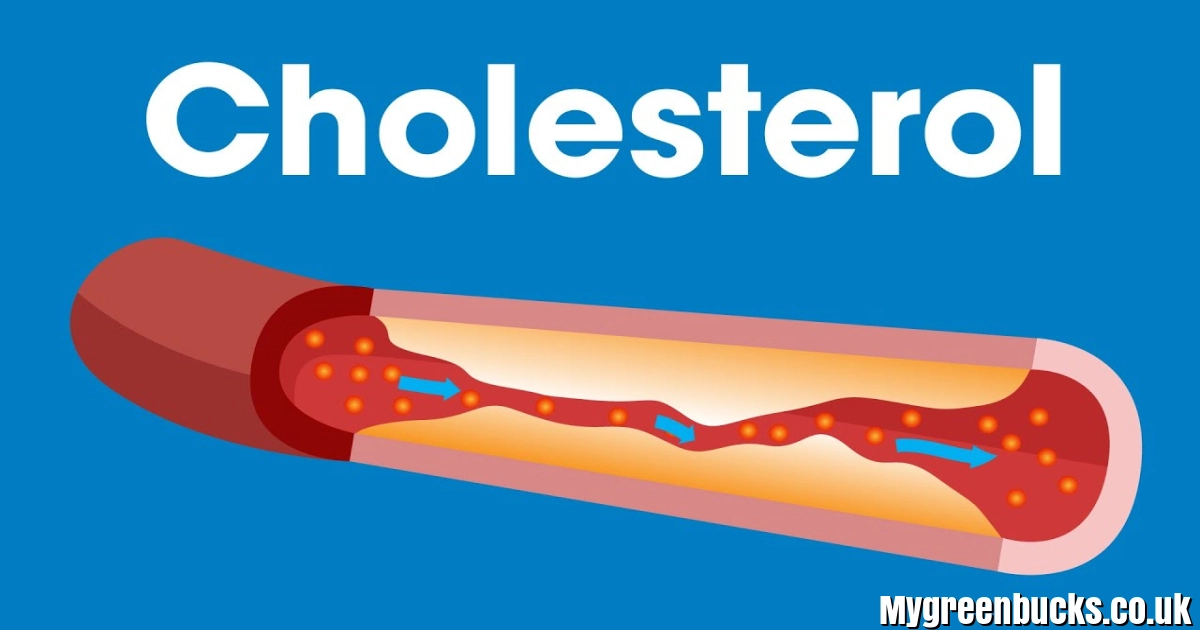
Excess LDL forms plaque inside arteries—a process called atherosclerosis.
This leads to:
-
Narrowed arteries
-
Reduced blood flow
-
Increased blood pressure
-
Higher risk of blood clots
Major Health Risks
-
Heart attack
-
Stroke
-
Peripheral artery disease
-
Kidney damage (in severe cases)
South Asians, including populations in Pakistan and India, have a higher genetic predisposition to heart disease, making early testing critical.
4. Causes of High Cholesterol
High cholesterol can result from lifestyle or genetics.
1. Poor Diet
Foods high in:
-
Saturated fats
-
Trans fats
-
Fried items
-
Processed snacks
-
Sugary desserts
increase LDL and triglycerides.
2. Lack of Physical Activity
A sedentary lifestyle:
-
Raises LDL
-
Lowers HDL
-
Contributes to weight gain
3. Genetics
Conditions like familial hypercholesterolemia cause extremely high cholesterol levels even in young individuals.
4. Smoking & Alcohol
Smoking reduces HDL (good cholesterol).
Excess alcohol raises triglycerides.
5. Medical Conditions
-
Diabetes
-
Hypothyroidism
-
Kidney disease
-
Obesity
Age and menopause also increase risk.
5. How to Lower Holestetol Naturally (Lifestyle First)
Doctors recommend lifestyle changes as the first line of defense.
1. Eat a Heart-Healthy Diet
Focus on:
-
Fruits and vegetables
-
Whole grains
-
Oats and barley
-
Beans and lentils
-
Nuts (almonds, walnuts)
-
Olive oil
-
Fatty fish (salmon, sardines)
Limit:
-
Fried foods
-
Fast food
-
Full-fat dairy
-
Red meat
-
Sugary drinks
Soluble fiber (oats, apples, beans) helps reduce LDL.
2. Exercise Regularly
Aim for:
-
150 minutes of moderate exercise per week
-
Walking, cycling, swimming
Exercise:
-
Raises HDL
-
Lowers LDL
-
Reduces triglycerides
3. Maintain Healthy Weight
Even losing 5–10% of body weight can significantly improve cholesterol levels.
4. Quit Smoking
Quitting improves HDL within weeks.
5. Control Blood Sugar & Blood Pressure
Managing diabetes and hypertension reduces cardiovascular risk.
6. Medical Treatment for High Cholesterol
If lifestyle changes aren’t enough, doctors may prescribe medication.
1. Statins
Common examples:
-
Atorvastatin (Lipitor)
-
Rosuvastatin (Crestor)
Statins:
-
Reduce liver cholesterol production
-
Lower LDL by 20–60%
2. Ezetimibe
Blocks cholesterol absorption from food.
3. PCSK9 Inhibitors
Injectable medications for severe cases.
4. Fibrates
Primarily lower triglycerides.
Regular Testing Is Essential
A fasting lipid profile checks:
-
LDL
-
HDL
-
Triglycerides
Adults over 40 should test regularly, especially if:
-
There is family history
-
You have diabetes
-
You smoke
-
You are overweight
Conclusion: Holestetol Awareness Saves Lives
Whether you call it holestetol or cholesterol, understanding your levels can prevent life-threatening conditions.
Cholesterol is not your enemy—imbalance is.
By:
-
Eating wisely
-
Exercising regularly
-
Avoiding smoking
-
Managing stress
-
Getting regular blood tests
you can maintain heart health well into the future.
In 2026, prevention is more powerful than treatment. Take control early.
Frequently Asked Questions (FAQs)
1. Is holestetol different from cholesterol?
No. “Holestetol” is simply a misspelling or phonetic variation of cholesterol.
2. Can high cholesterol cause symptoms?
Usually no. It often shows no signs until a serious event occurs.
3. How quickly can cholesterol levels improve?
With diet and exercise, improvement can begin within 6–12 weeks.
4. Are eggs bad for cholesterol?
Eggs contain cholesterol but moderate consumption is generally safe for most people.
5. Can young people have high cholesterol?
Yes, especially with poor diet or genetic conditions like familial hypercholesterolemia.