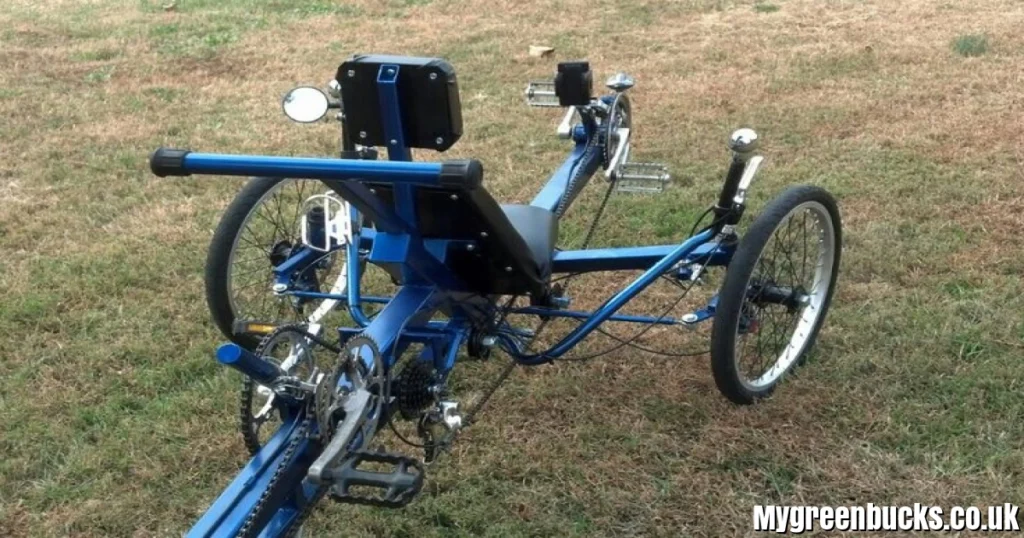
Cycling has evolved significantly over the years, and one of the most innovative developments is the tandemtrike. A tandemtrike (tandem tricycle) is a three-wheel bicycle designed for two or more riders, combining the cooperative riding experience of a tandem bike with the stability of a tricycle.
In the UK, tandemtrikes have become increasingly popular for leisure cycling, inclusive mobility, therapy programs, and family riding. Unlike standard two-wheel tandems, the additional wheel provides balance and stability, making the ride safer for beginners, seniors, or riders with disabilities.
Many modern models include electric assist (e-assist), comfortable seating options, and customizable features for accessibility. Whether you’re riding with a partner, helping someone with limited mobility enjoy cycling, or exploring scenic countryside routes together, a tandemtrike offers a safe and enjoyable shared cycling experience.
This comprehensive 2026 UK guide to tandem trikes explains everything you need to know: how they work, the different types available, their benefits, popular models, UK regulations, and where to buy them.
What Is a TandemTrike?
A tandemtrike is a three-wheeled cycle built for two riders, usually arranged one behind the other (front rider called the pilot, rear rider called the stoker). Some designs place riders side-by-side, allowing easier communication and interaction.
The main difference between a tandem bike and a tandemtrike is stability. Standard tandem bicycles require riders to maintain balance, while tandemtrikes remain upright thanks to two rear wheels or a delta/trike configuration.
Key Design Features
Most tandem trikes include several essential components:
-
Three wheels for stability
-
Two sets of pedals
-
Shared or independent gearing systems
-
Comfortable seating with back support
-
Optional electric pedal assistance
These features make tandemtrikes accessible to riders who may struggle with balance on traditional bicycles.
Who Uses TandemTrikes?
Tandemtrikes are popular among a wide range of riders in the UK:
-
Couples and recreational cyclists
-
Parents riding with children
-
Visually impaired riders with sighted pilots
-
People with disabilities or balance issues
-
Rehabilitation or therapy patients
Because they provide a stable platform, tandemtrikes allow individuals who might otherwise struggle to cycle to enjoy outdoor mobility and exercise safely.
Types of TandemTrikes
There are several types of tandemtrikes available in the UK, each designed for different needs and riding styles.
| Type | Description | Best For |
|---|---|---|
| Upright TandemTrike | Traditional seating with handlebars and pedals like a standard bike | Casual cycling and commuting |
| Recumbent TandemTrike | Reclined seating for comfort and aerodynamics | Long-distance rides and touring |
| Companion / Adaptive Trike | Accessibility-focused with supportive seating | Riders with disabilities |
| Child-Friendly Tandem Trike | Smaller frames designed for adults and children | Family rides |
Upright TandemTrikes
These models look similar to standard bicycles but include two rear wheels for stability.
They often feature:
-
Step-through frames
-
Comfortable saddles
-
Shopping baskets or racks
A well-known example is the Van Raam Twinny Plus, which is widely used in the UK for companion cycling and everyday riding.
Recumbent TandemTrikes
Recumbent models place riders in reclined seats, providing excellent comfort for long rides.
Advantages include:
-
Reduced back strain
-
Better weight distribution
-
Improved aerodynamics
Examples include the Duplex Tandem Recumbent Trike, which may include hand-crank options for riders with limited leg mobility.
Companion and Adaptive TandemTrikes
These trikes are designed specifically for accessibility and rehabilitation.
Features may include:
-
Wheelchair compatibility
-
Adjustable pedals
-
Electric assist systems
-
Enhanced seat support
They are commonly used in care homes, therapy centres, and inclusive cycling programmes across the UK.
Benefits of Riding a TandemTrike
Tandemtrikes offer several advantages compared to traditional bicycles, particularly for riders who value stability, comfort, and shared experiences.
1. Improved Stability
The three-wheel design prevents tipping over, making tandem trikes ideal for:
-
Beginners
-
Elderly riders
-
People with balance disorders
This stability is particularly useful when starting, stopping, or riding at slow speeds.
2. Social Cycling Experience
One of the biggest benefits of a tandemtrike is the shared riding experience.
Riders can:
-
Communicate easily
-
Share pedalling effort
-
Enjoy scenic routes together
This makes tandem trikes popular for couples, families, and cycling clubs.
3. Accessibility and Inclusion
Tandemtrikes allow people with disabilities or visual impairments to participate in cycling safely.
Many UK charities and cycling organisations offer inclusive cycling programmes using tandem trikes.
4. Health Benefits
Cycling provides numerous health benefits, including:
-
Improved cardiovascular fitness
-
Muscle strength
-
Joint mobility
-
Mental well-being
Because effort can be shared between riders, tandem trikes are ideal for gentle rehabilitation exercise.
Electric TandemTrikes and UK EAPC Rules
Many modern tandemtrikes include electric pedal assistance, making them easier to ride on hills or long distances.
What Is an Electric TandemTrike?
An electric tandemtrike includes a battery-powered motor that assists pedalling. The rider must still pedal, but the motor reduces effort.
UK EAPC Regulations
In the UK, electric trikes must comply with Electrically Assisted Pedal Cycle (EAPC) regulations.
Key requirements include:
-
Motor power limit: 250 watts
-
Maximum assisted speed: 15.5 mph (25 km/h)
-
Pedal-assist only (no throttle)
If the trike meets these rules, it is legally treated as a bicycle, meaning:
-
No licence required
-
No vehicle registration needed
-
No road tax required
Why Electric Assist Is Popular
Electric tandem trikes are particularly useful for:
-
Hilly areas
-
Long touring rides
-
Older riders
The motor helps riders maintain steady speed and comfort on challenging terrain.
Popular Tandem Trike Models in the UK
Several manufacturers produce high-quality tandem trikes for the UK market.
| Model | Approximate Price | Key Features |
|---|---|---|
| Van Raam Twinny Plus | £3,500–£4,500 | Upright design, optional e-assist |
| Duplex Recumbent Tandem | £4,000–£6,000 | Recumbent seating, hand-crank option |
| ICE Adventure Tandem | £3,000–£5,000 | Touring design, durable frame |
| Hase Pino Tandem | £4,500+ | Semi-recumbent hybrid tandem |
Van Raam Twinny Plus
This model is one of the most popular tandem trikes in the UK, known for its step-through frame and stability.
It includes optional silent electric pedal assist for easier riding.
Duplex Recumbent Tandem
Built by specialist UK manufacturers like Kinetics in Glasgow, this model offers custom builds for adaptive cycling needs.
ICE Adventure Tandem
Designed for touring and long-distance cycling, the ICE Adventure series is known for durability and comfortable recumbent seating.
Where to Buy Tandem Trikes in the UK
Several specialist retailers sell tandem trikes across the UK.
Specialist Dealers
Popular UK suppliers include:
-
GetCycling.org.uk
-
FreeTrike.co.uk
-
Kinetics.bike
-
John Preston Healthcare
These retailers often offer test rides and customization options.
Online Marketplaces
Budget or second-hand tandem trikes can be found on:
-
Amazon UK
-
eBay UK
-
Gumtree
Prices for basic models may start around £500, while high-end electric models can exceed £5,000.
VAT Relief for Disabled Riders
In the UK, people with disabilities may qualify for VAT exemption when purchasing adaptive cycles.
This can reduce the cost of some tandem trikes significantly.
Conclusion
A tandemtrike offers a unique combination of stability, accessibility, and shared cycling enjoyment. With three wheels and seating for two riders, these cycles make it possible for couples, families, and individuals with mobility challenges to experience cycling together safely.
From upright leisure trikes to recumbent touring models and adaptive companion cycles, there are many designs available to suit different needs. With the growing popularity of electric assist systems, tandem trikes are now more accessible than ever.
In the UK cycling community, tandem trikes support inclusive riding programmes, rehabilitation therapy, and recreational adventures. As cycling continues to grow in popularity, these versatile cycles will remain an important option for riders seeking comfort, stability, and companionship on the road.
FAQs
1. What is a tandemtrike used for?
A tandemtrike allows two riders to cycle together with greater stability than a standard tandem bicycle.
2. Are tandemtrikes legal on UK roads?
Yes. Non-electric tandemtrikes are treated as regular bicycles and can be used on roads and cycle paths.
3. Do electric tandem trikes require a licence in the UK?
No. If they follow EAPC regulations (250W motor and 15.5 mph limit), they are legally considered bicycles.
4. How much does a tandem trike cost in the UK?
Prices typically range from £500 for basic models to £5,000+ for premium electric trikes.
5. Can tandem trikes be used by disabled riders?
Yes. Many models are designed specifically for adaptive cycling and accessibility, and some may qualify for VAT relief in the UK.