

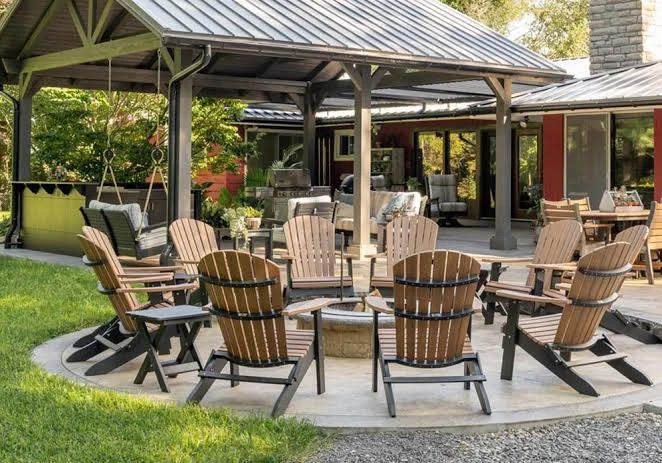
Yep! You don’t need to install a dedicated outdoor heater to make your seating area cozier. There are lots of easy options that can increase comfort on your patio, balcony, porch, or backyard deck. Often the best outdoor setup uses a combination of several inexpensive changes rather than one expensive solution.
Outdoor heaters don’t work for everyone. Renters may not be able to use a permanent heater installed. A heater may not fit in a small space or on a tight budget. It can also require wiring, gas lines, permits, and professional installation. Portable heaters, wind breaks, soft surfaces, and strategic furniture placement can make an outdoor space cozy with much less work involved.
Choose an Existing Sheltered Location
Start with the coziest location that you already have. If possible, pick a spot near an exterior wall, fence, privacy screen, or covered porch. It will block wind and hold slightly more heat than an open area. Even an empty corner can seem inviting when tucked away from the open yard.
Don’t set chairs in the center of a large uncovered yard. Wind will blow through open spaces and quickly suck heat away from your body. It’ll also make your heater feel pointless. Place chairs under a patio roof or umbrella when possible, as long as it’s safe to do so. Make sure you understand a heat source’s clearance guidelines before you use it.
Get Rid of Wind First
Wind blocking is one of the least expensive ways to boost your outdoor comfort level. Outdoor curtains, a tall planter, a folding privacy screen, or freestanding windbreak can block one or two sides of your seating area. A solid fence makes people feel warmer before adding any type of heat.
You don’t have to block off the entire seating area. Instead concentrate on deflecting wind coming from the direction it usually blows. Spend some time observing the patio to see how wind flows through it at different times of day. Something as simple as a screen can help a small seating area feel cozier and more intimate.
Add Portable Patio Heaters
Portable propane patio heaters are a great way to add substantial heat. Many propane heaters come with wheels attached so you can move them to where you need heat and store them away during warm months. Tabletop propane heaters can be another solution for smaller balconies and patios.
Use propane heaters that are rated for outdoor use only. They should always be kept in open, ventilated spaces away from walls, curtains, furniture, umbrellas, and low hanging roofs unless the manufacturer specifically states it’s OK. Always read the directions and follow local ordinances. Never use outdoor propane heaters indoors or in an enclosed area.
Electric patio heaters are another option if propane seems like too much trouble. They come in floor models or can sit on a stand or tabletop. Electric heaters tend to provide more radiant heat. Radiant heaters emit heat similar to the sun. They warm people and objects in front of them instead of trying to heat all of the air.
An electric heater will also need to be plugged into a power source safely. If possible, plug it into a weather rated outlet. You can use a heavy-duty outdoor extension cord if the manufacturer allows it. Don’t place cords in high traffic areas where they could be tripped over. They also shouldn’t touch standing water or anything that can damage them. Don’t overload outlets by plugging multiple high-power appliances into one power strip.
Create a Fire Pit
Fire pits can add warmth, ambient light, and a relaxing atmosphere. Wood burning fire pits give you the traditional crackle and smell of a campfire. Propane fire pits are usually easier to light, control, and produce less smoke. Both styles are naturally inviting and can create a center point for seating.
Triple-check any rules about fire pits before you purchase one. Some apartments, HOAs, cities, and burn ordinances restrict or ban open fires. This is especially common on balconies or in areas close to buildings. NHS noted that once you have the right fire pit, set it on a stable nonflammable surface. Leave room around the fire pit and keep a fire extinguisher or hose nearby just in case.
Arrange Chairs Closer Together
Groups of people stay warmer when their seating is closer together. Arrange chairs around the heat source, but not so close that guests won’t feel comfortable. A circular or semicircular seating layout works well because everyone can share warmth. They can also see and talk to each other without straining.
Large distances between chairs can make outdoor furniture feel isolated and colder. Opt for smaller chairs or benches instead. Poufs or floor cushions can also bring guests closer together. Add a low table in the center to hold drinks, snacks, or blankets. This helps everything feel more intentional.
Layer Outdoor Rugs, Cushions, & Blankets
Hard surfaces draw heat away from your body. An outdoor rug can help insulate feet from chilly concrete, tile, stone, or wood deck boards. Just make sure the rug is made for outdoor use. It should be mildew-resistant and quick to dry. Rugs also help define your seating area.
Add thick seat cushions and pillows. Outdoor blankets or washable throw blankets work well on cool nights. Fleece, wool blends, and insulated throws will help trap body heat. Blankets can be stored in a weatherproof storage container or blanket basket. Take them indoors when not in use. Allowing guests to choose their own blanket can make your space feel more curated.
Use Warm Light
Warm lights won’t warm your patio up, but they’ll make it feel more comfortable. Soft white string lights, lanterns, and flameless LED candles can make your seating area feel cozy after dark. Avoid overly bright white lights that make outdoor spaces feel sterile.
Spot light areas instead of lighting your entire yard. Drape string lights along a fence or railing. Clip them underneath a covered patio. Lean lanterns near your seating area. Solar lights can work well for pathways, but string or battery operated lights will usually provide more evening light.
Offer Warm Food & Drinks
Warm drinks help people forget about feeling chilly. Coffee, tea, hot cocoa, cider, soup, or warm appetizers can help create a comfortable atmosphere. Set out a DIY drink station with mugs, napkins, and a thermos of your favorite hot drink. You don’t have to spend much money to make it feel special.
Food is another way to keep guests near the seating area. Roasted marshmallows can be a fun option if they don’t violate fire restrictions. Otherwise, you can use your indoor kitchen to prepare snacks. Place a small tray table next to each chair so guests can keep their drinks close by. Often comfort is found in the details.
Allow Guests to Customize Comfort
The temperature outdoors can change quickly. This is especially true after the sun goes down. Use furniture and décor that’s easy to move around, fold up, cover, or store away. Portable heaters, stackable chairs, folding screens, and storage benches with weatherproof cushions lets you adapt. Build the cozy space for one night then pack it away when you don’t need it.
Focus on the basics to start: block the wind, have blankets available, lay down an outdoor rug, and light the space warmly. Then incorporate a portable heater or fire element if your space allows. You really can create an outdoor seating area that feels cozy without installing a permanent heater.
Case Study: Where Blocking The Wind Made The Heaters Work Better
There’s a nice anecdotal example in practice over at Meddy’s Mediterranean restaurant from Kansas City. Patrons found their patio unusable during cold, windy weather, but the unique thing about this example is that the restaurant already had patio heaters.
Heating wasn’t the patio’s primary problem. Wind eliminated the heat created by patio heaters. Project notes explain that the patio seating area was completely open. Wind moved freely through the area, removing heat with it. Even when heaters were running, guests wouldn’t use the outdoor seating area.
Screens were installed around the patio’s exterior to block a portion of the wind. The job took less than a day and was finished before the restaurant opened for dinner that day. Patrons were spotted eating outside on cold, windy days once screens were installed.
If you’re trying to improve warmth in your seating area without taking on a permanent heater installation, keep reading.
Heat isn’t your problem. Other factors might be.
If wind is blowing warmth away from your patio heater, installing a larger heater may do very little to solve your problem. Screens, wind breaks, outdoor curtains, or privacy screens can redirect wind if placed correctly. This changes the environment around your patio heater and allows it to heat your seating area more effectively.
The example above also touches on another huge lesson about outdoor comfort. Temperature isn’t the only factor.
The goal of most heating, curtains, rugs, andLED lights isn’t to perfectly recreate the indoors. Instead, they make being outside more comfortable by creating a small, controlled microclimate.
At Meddy’s that meant installing screens to block wind. For homeowners, renters, or small businesses you can apply that same idea on a smaller scale.
Before you go out and buy a powerful (and expensive) patio heater, think about wind direction. Move seating under cover of an existing wall or fence, add a wind break if necessary, and then decide if you actually need portable heat.
https://www.bromic.co.uk/case-studies/
Frequently Asked Questions
Will curtains keep my patio warm?
Heavy curtains aren’t always the answer. Sometimes reducing wind can allow existing heaters to perform better.
Think about ways to make your seating area more sheltered before spending money on portable heaters.
Can I create an outdoor seating area without heaters?
Portable heaters aren’t the only way to make outdoor seating comfortable. They’re just one useful tool.
Block wind, add outdoor curtains or privacy screens, position seating in a sheltered spot, and then add portable heaters as needed.
In many cases, improving comfort with several smaller additions is much easier than relying on one heater.
How can I make my patio warmer without heaters?
Start with items that don’t require purchasing a new heater. Move furniture under an existing fence or wall, use a privacy screen to block wind, or use curtains to reduce exposure.
Group chairs closer together, add an outdoor rug, blankets and pillows. Use warm lighting to improve the ambiance if needed.
The furniture arrangement you choose should match how many people will be seated and using the outdoor space at once.
How can I make my patio cozy on a budget?
There are several highly effective ways to improve your patio’s comfort without spending money.
Move furniture closer to existing walls or fences, make use of landscaping to block wind. Group chairs closer together, use blankets and soft furnishings, or add outdoor rugs to reduce chill from hard flooring.
Can I block wind without installing curtains?
Portable wind breaks are an affordable solution that doesn’t require installation. They use the same principle of blocking wind to improve patio heater effectiveness.
Heavy outdoor curtains work well too. When you’re able to choose your seating location, pick the least windy spot.
Some degree of wind is inevitable, but you can often reduce it significantly with the right barriers or furnishings.
Is a fire pit better than a patio heater?
In some cases, fire pits create a different atmosphere. They produce light, make great social focal points, and provide heat.
When used safely and responsibly, fire pits can create a wonderful patio environment. Patio heaters or garden heaters, on the other hand, produce heat in a more narrowly defined area.
For example, most patio heaters aren’t very useful if you’re trying to heat a large patio party.
Think about what you want your space to feel like and choose accordingly. Don’t assume a patio heater is always the better choice.
### Does a windbreaker make outdoor heating more effective?
As mentioned earlier in this guide, wind can seriously reduce patio heater effectiveness. By blocking wind you allow heat to slowly radiate into the seating area without moving air quickly removing it.
Heavy outdoor curtains perform a similar function. Hang them on the side of the patio where wind is coming from for best results.
Some patio heaters also come with a “wind deflector” attachment that helps block wind.
Do propane heaters work on balconies?
Whether you can use a propane heater on a balcony depends on several important factors. These heaters can create fire and ventilation hazards on balconies or within multi-story buildings.
Always follow instructions and local laws governing outdoor heater use. Propane heaters aren’t always allowed on balconies.
Consult your local fireplace inspector, HOA, or municipality to be certain.
Electric patio heaters are often a safer bet. As long as you have access to an outdoor power source, many models can be used on balconies.
You’ll still need to follow the manufacturers setup instructions and clearances. Be safe, don’t use indoor heaters outdoors, and be aware of electrical cable placement to avoid trips.
How do I keep guests warm outside?
Focus on your seating area’s environment before buying portable heaters. Add wind protection if necessary and position furniture under existing walls or shelter.
Throwing blankets and pillows encourage people to sit closer. Your furniture layout should also match how people will use the space.
As an example, chairs pushed together in a semicircle work well for small gatherings. That layout ensures everyone is close to the heat without sprawling across a large area.
Heat is shared more effectively when people are closer together.
The rugs you choose, furniture layout, lighting, and accessories all affect how warm guests perceive the outdoor space to be.
Heating isn’t the only factor.
How can I make my patio warm and cozy?
Every climate, home, and outdoor space will be slightly different. However, you can still use the ideas above to improve your patio. It all starts with creating a “warm zone.”
A wind break blocks drafts, furniture keeps guests close to heaters, rugs provide soft surfaces, and blankets give guests an option to add warmth as needed.
Before you spend money on a patio heater, make use of the outdoor space you already have.