

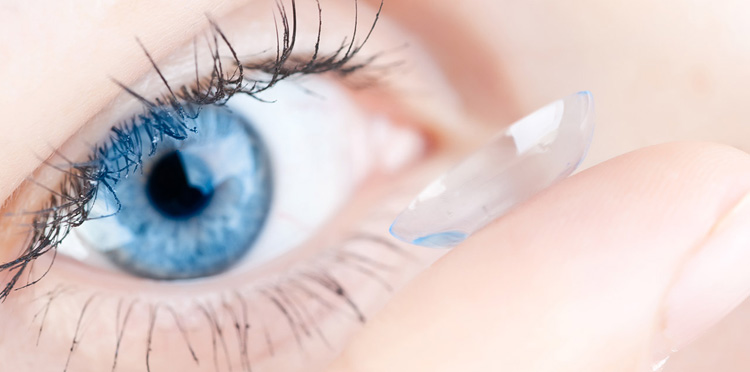
As we get older, many people start to notice changes in their eyesight — especially when it comes to seeing up close. This is often due to presbyopia, a natural age‑related condition that makes reading or focusing on near objects harder. For many, switching from glasses to contact lenses is an appealing solution, but the choice between daily lenses and varifocal (multifocal) lenses isn’t always simple. Understanding how these options work and which situations they’re best for can help you choose the right lenses for your lifestyle.
What Are Daily Contact Lenses?
Daily contact lenses are designed for one‑day use only. You put on a fresh pair in the morning and throw them away at night — no cleaning or storage is needed. This makes them extremely convenient for busy people, occasional wearers, or those who prefer a low‑maintenance routine. Daily lenses are ideal if your vision needs are primarily for distance or general wear, and you don’t have significant issues focusing up close. Dailies AquaComfort Plus is a popular daily option known for its blink‑activated moisture technology that helps keep eyes hydrated and comfortable throughout the day by releasing moisture with every blink. These lenses are designed to fit a variety of wearers and can be a great choice for people with active or busy lifestyles.
What Are Varifocal (Multifocal) Contact Lenses?
Varifocal (also called multifocal) contact lenses are engineered to help people see clearly at near, intermediate, and far distances — which makes them especially helpful if you’re experiencing presbyopia. Instead of having a single corrective power like standard lenses, varifocal lenses have multiple zones of optical power built into each lens. This allows your eyes to adjust naturally when shifting focus from reading a book to looking at your phone or driving in the distance. Multifocal contacts aim to provide seamless vision without the need for separate reading glasses.
How Varifocal Lenses Work
Varifocal lenses contain zones with different powers, smoothly transitioning between near and distance vision. When you look through different parts of the lens, your eye naturally selects the correct zone to focus light. This can take a bit of getting used to, especially if you’re switching from single‑vision lenses or glasses. However, modern multifocal designs — like Dailies AquaComfort Plus Multifocal — use advanced profiles to make these transitions feel natural and comfortable throughout the day.
Daily vs Varifocal — Key Differences
1. Vision Needs
- Daily lenses: Best if you primarily need vision correction for distance and don’t struggle with near focus.
- Varifocal lenses: Ideal if you have presbyopia and need clear vision at multiple distances (near, mid, and far).
2. Convenience
Daily lenses are the easiest to wear and require no cleaning. You simply use a fresh pair each day, which is especially convenient if you’re often on the go. Varifocal lenses may require a short adaptation period as your eyes get used to shifting focus through different zones.
3. Comfort and Hydration
While traditional daily lenses already offer comfort benefits, many multifocal designs also include modern moisture technologies. For example, Dailies AquaComfort Plus Multifocal lenses employ blink‑activated moisture to maintain hydration and comfort similar to regular dailies.
4. Lifestyle Compatibility
If your day involves long hours in front of screens, frequent tasks requiring near or intermediate focus, or a mix of vision needs, varifocal lenses often provide a more flexible solution. Daily lenses are great for general wear, sports, or occasional use, but they may not fully address presbyopia as you age.
Who Should Choose Daily Contact Lenses?
Daily lenses like Dailies AquaComfort Plus are perfect for:
- People with simple distance or general prescription needs
- Users who want a low‑maintenance routine
- Occasional lens wearers or travelers
- Those who prefer fresh, disposable lenses every day with no cleaning required
These lenses use blink‑activated moisture technology that keeps eyes hydrated and comfortable throughout the day, which is ideal if you spend a lot of time in dry environments or in front of screens.
Who Needs Varifocal Contact Lenses?
Varifocal contact lenses are especially beneficial for people who:
- Struggle with near vision as they age
- Want to eliminate the need for reading glasses
- Need clear vision across multiple distances — near, intermediate, and far
- Prefer a seamless visual experience in daily life tasks
Many wearers transitioning to varifocal lenses report better visual satisfaction when switching between tasks like reading, working on a computer, and driving — all with a single pair of lenses. Designs like Dailies AquaComfort Plus Multifocal provide hydration and visual comfort while correcting vision at multiple distances.
How to Decide Between Daily and Varifocal Lenses
Here’s a simple way to choose:
- If you mainly need good distance vision and prefer convenience — daily lenses may be right for you.
- If you need clarity at near and intermediate distances as well — varifocal lenses can provide clearer, more versatile vision without switching glasses.
If you’re unsure, your eye care professional can help you compare performance, comfort, and visual results during an eye exam tailored to your unique needs.
Final Thoughts
Vision changes over time, and what worked for you in your 20s might not be ideal later in life. Daily lenses offer unmatched convenience and comfort for straightforward vision needs, while varifocal contact lenses give you the flexibility to see clearly at every distance as your eyes age.