What Is Iconic Memorabilia? A 2026 Definition and Market Overview
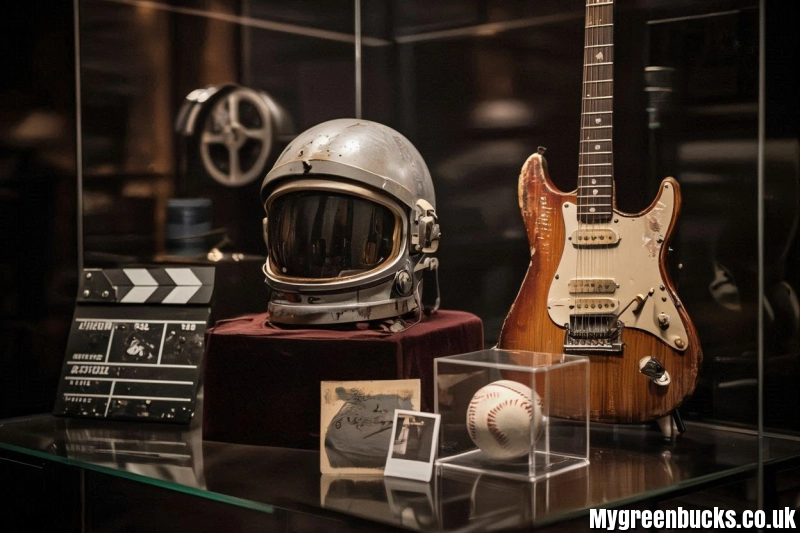
Iconic memorabilia refers to rare, historically significant, and culturally meaningful collectibles connected to famous people, major events, entertainment franchises, and sports legends. In 2026, the iconic memorabilia market has expanded dramatically, with record-breaking auction sales, global collector demand, and increasing recognition of collectibles as alternative investment assets. Items such as Michael Jordan game-worn jerseys, Kurt Cobain guitars, Star Wars screen-used props, and rare Pokémon cards have become headline-grabbing pieces that attract both passionate fans and serious investors.
The appeal of iconic memorabilia comes from ownership of tangible history. Unlike digital assets, these items physically connect collectors to legendary moments, whether that is a Tom Brady Super Bowl item, Freddie Mercury microphone, or screen-matched movie prop. Major auction houses including Iconic Auctions, Heritage Auctions, Prop Store, and Barrett-Jackson reported strong early-2026 results, with billions of dollars circulating in the global collectibles market. These sales reflect rising interest from millennials, Gen Z buyers, investors, and traditional collectors.
Another key factor driving demand in 2026 is scarcity. Many iconic items are one-of-one, such as game-used jerseys or screen-used film props. Even mass-produced collectibles like sports cards become valuable when graded PSA 10, meaning perfect condition. Provenance also matters — documentation confirming authenticity significantly increases value. Because of these factors, iconic memorabilia has transitioned from hobby collecting into a serious investment category, often compared with stocks, art, and real estate.
The market now includes both high-end six-figure items and affordable collectibles like vintage posters or signed cards. This accessibility allows beginners to enter while experienced collectors chase museum-quality pieces. In 2026, iconic memorabilia continues to grow because it combines nostalgia, rarity, storytelling, and investment potential — a powerful combination that keeps collectors engaged worldwide.
The Enduring Appeal and Cultural Significance of Iconic Memorabilia
The cultural power of iconic memorabilia lies in its ability to preserve legendary moments. Collectors are not just buying objects; they are acquiring stories, emotions, and historical connections. A 1952 Topps Mickey Mantle card, Lewis Hamilton karting suit, or Tom Hanks Wilson volleyball from Cast Away represents a specific moment in time. These items create emotional value beyond monetary worth, which is why demand continues rising in 2026.
Nostalgia plays a major role. Many buyers entering the market grew up during the 1980s, 1990s, and early 2000s, and now have disposable income. As a result, collectibles tied to Star Wars, Pokémon, Nirvana, and NBA legends are skyrocketing in value. Social media also fuels interest. Platforms showcasing auction highlights, collection tours, and live bidding have introduced a younger audience to collecting. This visibility expands the market and increases competition for rare items.
Another crucial factor is provenance. Items authenticated by PSA, Beckett, JSA, or UDA often sell for significantly more. Buyers want assurance that a Michael Jordan jersey was truly worn in a game or that a Kurt Cobain guitar was used on tour. Documentation transforms collectibles into blue-chip assets. This emphasis on authenticity strengthens confidence among investors.
Culturally, iconic memorabilia bridges sports, entertainment, music, and history. Collectors may focus on one niche or diversify across categories. Museums, private collectors, and celebrities also participate, raising visibility further. In 2026, iconic memorabilia is not just a hobby — it’s a global cultural movement celebrating achievement, creativity, and history.
Top Categories of Iconic Memorabilia Dominating 2026
Sports Memorabilia: Jerseys, Cards, and Championship Items
Sports memorabilia remains the largest segment of the iconic collectibles market. Game-used jerseys, autographed balls, and graded rookie cards dominate auctions. Items from Michael Jordan, LeBron James, Tom Brady, and Lionel Messi regularly achieve record prices. PSA 10 rookie cards are especially valuable because perfect-condition examples are rare. Championship rings, locker-room gear, and game-worn shoes also attract strong bidding.
Collectors increasingly focus on modern stars, not just vintage legends. This trend shows confidence in long-term value. For example, Stephen Curry, Patrick Mahomes, and Shohei Ohtani collectibles are gaining traction. The sports memorabilia market thrives because athletic achievements create clear milestones, such as championships or records.
Movie Props and Entertainment Memorabilia
Screen-used movie props have surged in popularity. Items from Star Wars, Terminator, Jaws, and Pirates of the Caribbean consistently perform well. Collectors value screen-matched pieces, meaning they can be verified in film scenes. These items often sell through Prop Store and Heritage Auctions. Costume pieces, hero props, and production-used items are especially desirable.
The appeal lies in pop culture nostalgia. Fans want physical connections to favorite films. A screen-used lightsaber or Terminator jacket represents cinematic history. As streaming platforms revive classic franchises, demand continues increasing.
Music Memorabilia and Concert Artifacts
Music memorabilia includes signed guitars, concert posters, tour-used instruments, and stage-worn clothing. Items from The Beatles, Nirvana, Queen, and modern artists attract global interest. Kurt Cobain guitars and Freddie Mercury microphones are examples of high-value collectibles. Vinyl records and limited pressings also appreciate.
Music memorabilia resonates emotionally. Fans connect deeply with artists, making these items culturally powerful. Auctions often feature personal belongings, which increases rarity.
Standout Auction Highlights and Record Sales in 2026
The 2026 auction season has already produced major headline sales. Iconic Auctions featured Kurt Cobain’s “In Utero” tour guitar body, Michael Jordan & Magic Johnson dual-signed photos, and rare sports photography. These pieces attracted strong global bidding. Prop Store’s 2026 London Music Memorabilia Auction included Freddie Mercury items, including microphones and stage clothing, alongside film props.
Barrett-Jackson Automobilia auctions showcased over 1,000 automotive collectibles, demonstrating expansion beyond sports and entertainment. Heritage Auctions reported strong performance in PSA 10 sports cards, especially LeBron James rookies. Classic Auctions also highlighted Michael Jordan collections and hockey legends memorabilia.
These results confirm high demand for authenticated items with strong stories. Auction houses increasingly livestream events, allowing global participation. This accessibility increases competition and drives prices higher.
Investment Trends Driving Iconic Memorabilia in 2026
The iconic memorabilia market is increasingly viewed as an alternative investment class. Investors diversify portfolios by acquiring rare collectibles. One major trend is graded cards, where PSA 10 examples command massive premiums. Condition rarity creates scarcity, boosting long-term value.
Another trend is provenance-driven collecting. Items with clear documentation outperform generic autographs. For example, a game-used jersey sells for far more than a signed replica. Nostalgia cycles also influence pricing. 1980s–1990s collectibles are surging because buyers from that era now have purchasing power.
Live auctions and online platforms also expand access. Collectors worldwide can bid instantly. This global demand fuels competition. Experts suggest focusing on rarity, condition, and historical significance for best returns.
Authentication, Care, and Building a Collection
Authentication is essential in iconic memorabilia collecting. Services like PSA, Beckett, JSA, and UDA verify items. Buyers should always request certificates or provenance documents. Without authentication, value decreases significantly.
Proper storage also matters. Collectors use acid-free sleeves, UV-protected display cases, and climate-controlled environments. These prevent fading and damage. Insurance is recommended for valuable collections. Many collectors start small with signed cards or posters, then scale to premium items.
Research is key. Following auction houses helps identify trends. Joining collector communities provides insights. Patience and knowledge improve outcomes.
Why Vintage Items Are Skyrocketing in Value in 2026
Vintage collectibles from the 1980s–2000s are exploding in value. Items like Pokémon cards, Star Wars toys, and retro video game memorabilia attract strong demand. Nostalgia cycles drive this growth. As collectors age, they seek items from childhood.
Limited production runs also increase scarcity. Many vintage items were discarded, making surviving examples rare. Social media has also revived interest. Influencers showcase collections, encouraging new buyers.
Vintage items offer entry points for beginners while still appreciating. This combination keeps demand high in 2026.
The Future of Iconic Memorabilia Beyond 2026
The future of iconic memorabilia looks strong. Advances in authentication technology, including blockchain provenance, improve transparency. Global access through online auctions expands participation. Crossovers between sports, entertainment, and art are increasing.
As long as culture creates legends, collectors will seek physical connections. Iconic memorabilia remains a powerful intersection of passion, history, and investment.
FAQs
1. What is iconic memorabilia?
Iconic memorabilia includes rare collectibles tied to famous people, events, or pop culture.
2. Is iconic memorabilia a good investment in 2026?
Many collectors treat it as an alternative investment, especially authenticated rare items.
3. What categories are most valuable?
Sports cards, movie props, music artifacts, and vintage toys dominate.
4. How do I verify authenticity?
Use PSA, Beckett, JSA, or official auction documentation.
5. Why are vintage collectibles increasing in value?
Nostalgia, scarcity, and new collectors are driving demand.