

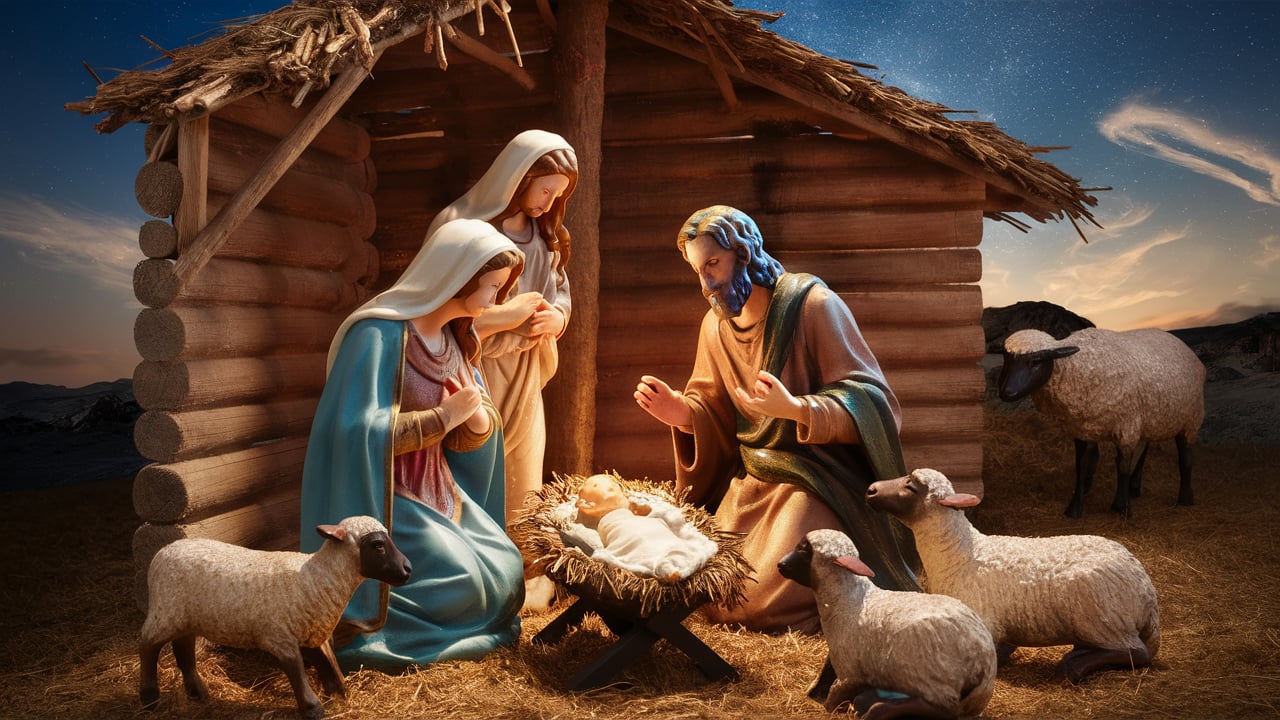
Nativität is a term deeply rooted in European linguistic and cultural traditions, most commonly associated with the Nativity of Jesus Christ. Derived from the Latin nativitas, meaning birth, the word has been adopted into German, Italian, and several other languages to describe the sacred event commemorated at Christmas. We explore Nativität not merely as a word, but as a concept encompassing theology, art, history, tradition, and living cultural practice. This comprehensive guide presents the subject with clarity, depth, and authority, offering readers a definitive reference on Nativität in its many dimensions.
Definition and Linguistic Origins of Nativität
Nativität signifies birth, with a specific and elevated reference to the birth of Jesus Christ in Christian theology. Linguistically, the term originates from Latin, passed through ecclesiastical usage into medieval European languages. In German-speaking contexts, Nativität is used in theological discourse, classical literature, and art history to denote the Nativity scene, the Nativity feast, and representations of the birth narrative. The term carries a solemn and sacred tone, often reserved for formal, academic, or liturgical use rather than casual speech.
Theological Meaning of the Nativität
Within Christianity, Nativität represents a foundational doctrine: the incarnation of God in human form. The Nativity marks the moment when divine promise enters human history through birth, humility, and vulnerability. The theological emphasis rests on the Incarnation, the belief that God became flesh to dwell among humanity. This event is celebrated as a fulfillment of prophecy, a turning point in salvation history, and a manifestation of divine love and grace. The Nativität is inseparable from Christian identity, shaping liturgy, doctrine, and worship across denominations.
Biblical Narrative of the Nativität
The Nativität narrative is primarily drawn from the Gospels of Matthew and Luke. These texts describe the journey to Bethlehem, the census decree, the humble birth in a manger, the angelic announcement to shepherds, and the visit of the Magi guided by a star. Each element carries symbolic weight: humility in the stable, divine revelation through angels, and universal recognition through the Magi. The narrative structure has influenced centuries of preaching, storytelling, and artistic expression centered on Nativität.
Nativität in Christian Art and Iconography
Nativität art is one of the most enduring and influential genres in Western art history. From early Christian mosaics to Renaissance masterpieces, artists have depicted the Nativity with evolving styles and theological emphasis. Key visual elements include Mary, Joseph, the infant Jesus, angels, shepherds, animals, and the guiding star. These representations served not only aesthetic purposes but also educational ones, teaching biblical stories to largely illiterate populations. The artistic legacy of Nativität continues to shape contemporary visual culture, including modern illustrations, films, and digital media.
The Nativität Scene (Crèche) Tradition
The Nativität scene, also known as the crèche, is a three-dimensional representation of the Nativity. Popularized by Saint Francis of Assisi in the 13th century, the tradition spread throughout Europe and beyond. Families, churches, and public spaces display Nativität scenes during the Christmas season, often incorporating regional styles and materials. In some cultures, elaborate displays include entire villages, daily scene changes, and live performances. The Nativität scene remains a powerful visual and devotional expression of the Christmas message.
Cultural Variations of Nativität Celebrations
While the core narrative remains consistent, Nativität celebrations vary widely across cultures. In Latin America, Las Posadas reenact Mary and Joseph’s search for shelter. These variations demonstrate how Nativität adapts to local customs while preserving its universal meaning. The shared focus on birth, hope, and renewal unites diverse expressions into a single global tradition.
Nativität and the Christmas Calendar
The celebration of Nativität is anchored on December 25, a date established in early Christian history. The liturgical calendar places the Nativity within a broader framework that includes Advent, Epiphany, and the Christmas season. Advent prepares believers for the coming of Christ, while Epiphany emphasizes revelation to the nations. The Nativität feast serves as the central axis around which these observances revolve, reinforcing its theological and cultural centrality.
Symbolism Embedded in the Nativität
Every aspect of the Nativität carries symbolic meaning. The manger represents humility, the light signifies divine presence, and the shepherds symbolize the inclusion of the marginalized. The star embodies guidance and revelation, while the gifts of the Magi reflect kingship, divinity, and sacrifice. These symbols have been interpreted across centuries in sermons, hymns, and theological writings, contributing to a layered and enduring understanding of Nativität.
Modern Interpretations and Relevance of Nativität
In contemporary society, Nativität continues to inspire reflection beyond religious boundaries. Themes of peace, compassion, family, and hope resonate in secular contexts as well. Modern interpretations appear in literature, music, social initiatives, and intercultural dialogue. The enduring relevance of Nativität lies in its universal message of new beginnings and human dignity, making it a meaningful concept in both sacred and cultural discourse.
Educational and Academic Perspectives on Nativität
Academic study of Nativität spans theology, history, art history, anthropology, and linguistics. Scholars examine textual sources, archaeological contexts, and cultural adaptations to understand how the Nativity narrative developed and spread. Universities and seminaries continue to treat Nativität as a central subject within Christian studies, ensuring its transmission and critical engagement across generations.
Conclusion
Nativität is far more than a historical event or seasonal celebration. It is a multifaceted concept encompassing faith, art, language, and culture. Through theology, tradition, symbolism, and global practice, the Nativität continues to shape identities and values worldwide. By understanding its origins, meanings, and expressions, we gain deeper insight into one of humanity’s most influential narratives and its lasting impact on civilization.
Frequently Asked Questions (FAQ)
What does Nativität mean in English?
Nativität translates to Nativity, referring primarily to the birth of Jesus Christ.
Is Nativität only a religious term?
While rooted in Christian theology, Nativität also appears in cultural, artistic, and academic contexts.
Why is the Nativität important in Christianity?
The Nativität marks the Incarnation, a central belief that God became human to bring salvation.
How is Nativität celebrated today?
Celebrations include church services, Nativity scenes, music, art, and cultural traditions worldwide.
What is the difference between Nativität and Weihnachten?
Nativität refers specifically to the birth event, while Weihnachten denotes the broader Christmas celebration.