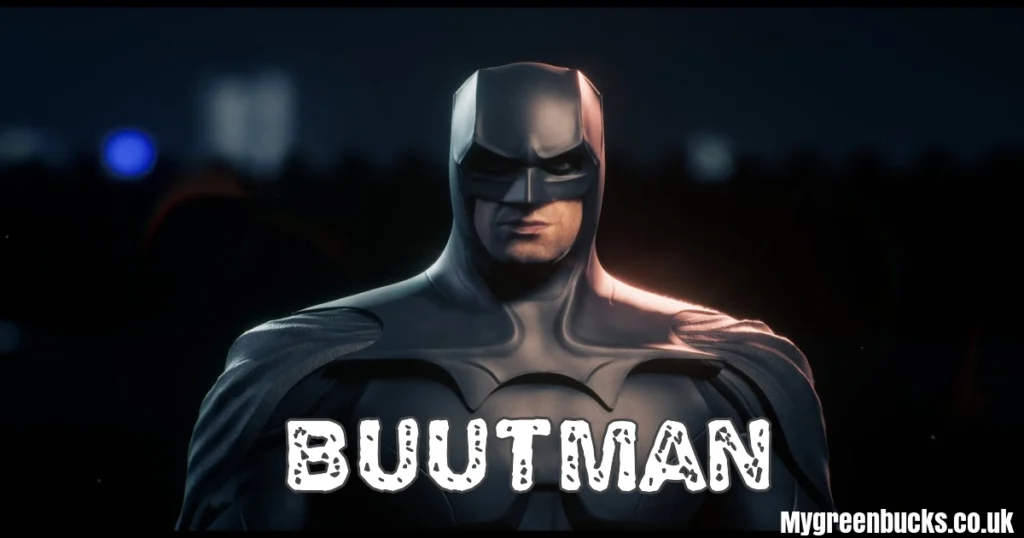
In the ever-evolving world of internet culture, new digital icons appear almost overnight. Some fade quickly. Others evolve, adapt, and become collaborative legends. Buutman is one of those emerging digital personas that has captured attention across meme communities, gaming forums, and creative platforms — including in the United Kingdom.
“Buutman” in the UK, you’re likely encountering a mysterious online character that blends humour, satire, art, gaming culture, and participatory storytelling. Unlike traditional influencers or fictional characters, Buutman isn’t owned by one creator. It is community-built, remix-driven, and constantly evolving.
In this comprehensive 2026 guide, we explore:
-
What Buutman actually is
-
How it started
-
Why it resonates in UK digital culture
-
Platforms where it thrives
-
Its cultural impact
-
Possible alternative meanings
Let’s unpack the phenomenon.
1. What Is Buutman? Understanding the Digital Persona
At its core, Buutman is a collaborative internet character, shaped by memes, fan art, satire, and online gaming communities. It is not a brand, company, or registered figure. Instead, it functions as a fluid digital identity that users reinterpret in different ways.
Unlike characters owned by corporations (e.g., Marvel heroes), Buutman belongs to the internet itself. It operates as:
-
A meme template
-
A satirical alter ego
-
A gaming in-joke
-
A creative art subject
-
A commentary device on digital absurdity
In the UK — where over 57 million people use social media — meme culture spreads rapidly. Buutman fits perfectly into this environment of irony, remix culture, and collaborative storytelling.
The name itself is ambiguous. Some interpret it as:
-
A playful twist on “Bootman”
-
A pun on “Batman”
-
A deliberately absurd misspelling for comic effect
Its ambiguity is part of the appeal.
2. Origins and Evolution of Buutman
Early Internet Appearances (Early 2020s)
Buutman appears to have originated in niche online communities during the early 2020s. Early traces surfaced on:
-
DeviantArt
-
Small meme forums
-
Gaming discussion boards
At first, it existed mainly as experimental artwork — abstract sketches, exaggerated characters, and humorous reinterpretations.
No single creator claims ownership. That decentralisation helped it spread organically.
Mid-2025: Viral Growth Phase
By mid-2025, Buutman began gaining wider traction through:
-
YouTube gaming clips
-
Twitter/X meme threads
-
Community satire posts
-
Inside jokes within gaming circles
It evolved from static drawings into dynamic content such as:
-
Animated sketches
-
Role-play characters
-
Parody commentary accounts
-
Community storytelling threads
This evolution mirrors how internet folklore develops — similar to Slender Man or Pepe the Frog, though with a lighter, absurdist tone.
UK Cultural Alignment
The UK has a strong tradition of dry humour, irony, and satire. Viral figures like:
-
Big Shaq
-
“Hide the Pain Harold” adaptations
-
British meme parody accounts
show how quickly digital personas spread within British online culture.
Buutman aligns with that style — absurd, slightly cryptic, self-aware, and highly remixable.
3. Core Characteristics of Buutman
Humour and Satire
Buutman thrives on:
-
Absurd jokes
-
Cryptic captions
-
Self-referential humour
-
Parodies of internet trends
It often mocks the seriousness of online culture itself.
Artistic Expression
On platforms like DeviantArt, Buutman appears in multiple forms:
-
Abstract line drawings
-
Sci-fi inspired avatars
-
Cartoon parodies
-
Meme templates
Because there’s no official design, artists reinterpret it freely.
This openness encourages community creativity.
Gaming Culture Integration
Buutman frequently appears in:
-
Sci-fi gaming communities
-
Role-play forums
-
YouTube gaming channels
For example, references have appeared in niche gaming spaces such as Emperor’s Hammer, where inside jokes and digital storytelling are common.
This gaming link increases relevance among younger UK audiences attending events like:
-
EGX (Eurogamer Expo)
-
Online Twitch communities
-
Reddit UK gaming threads
Community Ownership
The defining feature of Buutman is collective authorship.
Users contribute by:
-
Creating fan art
-
Posting parody accounts
-
Remixing memes
-
Writing fictional backstories
This decentralised structure mirrors the broader shift toward participatory internet culture.
4. Platforms Where Buutman Thrives
YouTube
Accounts such as @buutman4009 feature:
-
Gaming commentary
-
Comedic edits
-
Thematic content
Videos often receive hundreds to thousands of views, especially within niche gaming circles.
Twitter / X
Handles like @buutmans and related accounts share:
-
Real-time meme posts
-
Community banter
-
Satirical commentary
The fast-paced environment of X helps Buutman evolve quickly through retweets and remixes.
DeviantArt
Early visual interpretations originated here. Artists experiment with:
-
Character designs
-
Stylised sketches
-
Comic panels
Gaming Forums
Buutman references appear in:
-
Role-playing discussions
-
Inside jokes
-
Sci-fi themed threads
In UK communities, these references often circulate within Discord servers and Reddit groups.
5. Cultural Impact in the UK (2026 Analysis)
Why Buutman Resonates
The UK has one of Europe’s most active digital populations. British audiences tend to appreciate:
-
Self-aware humour
-
Absurdism
-
Irony
-
Meta-commentary
Buutman reflects these qualities.
It functions as a kind of digital blank canvas — a character people project ideas onto. This makes it adaptable across:
-
Meme culture
-
Online satire
-
Gaming identity
-
Artistic experimentation
Merchandise and Expansion Potential
While not officially commercialised, Buutman has potential for:
-
Stickers
-
Apparel
-
NFT-style art projects
-
Community-driven collaborations
Many digital personas begin organically before formalising into brands.
Digital Folklore Comparison
Buutman represents modern internet folklore:
-
Not centrally controlled
-
Community shaped
-
Culturally fluid
-
Rapidly adaptable
In that sense, it mirrors how UK meme culture spreads through WhatsApp groups, TikTok clips, and Instagram parody pages.
6. Alternative Interpretations of “Buutman”
If Buutman does not refer to the digital persona described above, other interpretations may include:
Misspelling of Batman
Given Batman’s popularity in UK pop culture, some searches may be typographical errors.
Adult Content References
Some isolated posts online link the name to unrelated adult-themed material. These appear coincidental rather than connected to the broader meme persona.
Dutch Linguistic Connection
In Dutch, “buutman” can relate loosely to commentary contexts, though this is not widely connected to UK usage.
If you meant a different reference, additional clarification may help refine results.
Conclusion: Buutman as a Symbol of Modern Internet Creativity
In 2026, Buutman represents more than just a meme. It symbolises:
-
The evolution of internet folklore
-
UK meme culture’s adaptability
Unlike corporate characters, Buutman thrives because it belongs to everyone. Its ambiguity fuels creativity. Its absurdity drives engagement. Its openness invites participation.
In a digital world increasingly shaped by algorithms and monetisation, Buutman feels refreshingly organic.
Whether it becomes mainstream or remains niche, it already reflects something important about online culture in the UK: community shapes identity more than ownership does.
FAQs About Buutman (UK 2026)
1. Is Buutman a real person?
No. It is a community-created digital persona shaped by online users.
2. Did Buutman start in the UK?
Not exclusively, but it resonates strongly within UK meme and gaming communities.
3. Is Buutman a brand or company?
No official brand ownership exists.
4. Where can I find Buutman content?
Look on YouTube, Twitter/X, DeviantArt, and gaming forums.
5. Is Buutman related to Batman?
No confirmed connection — though the name may be a playful parody.